Personal loans vs credit cards vs buy now pay later
Three ways to pay later, three different clocks. Personal loans, credit cards and buy now pay later do not cost the same, last the same, or look the same on an Australian credit file — and stacking them is how a small gap becomes a file.
Published 30 June 2026 · Updated 16 October 2026 · 9 min read

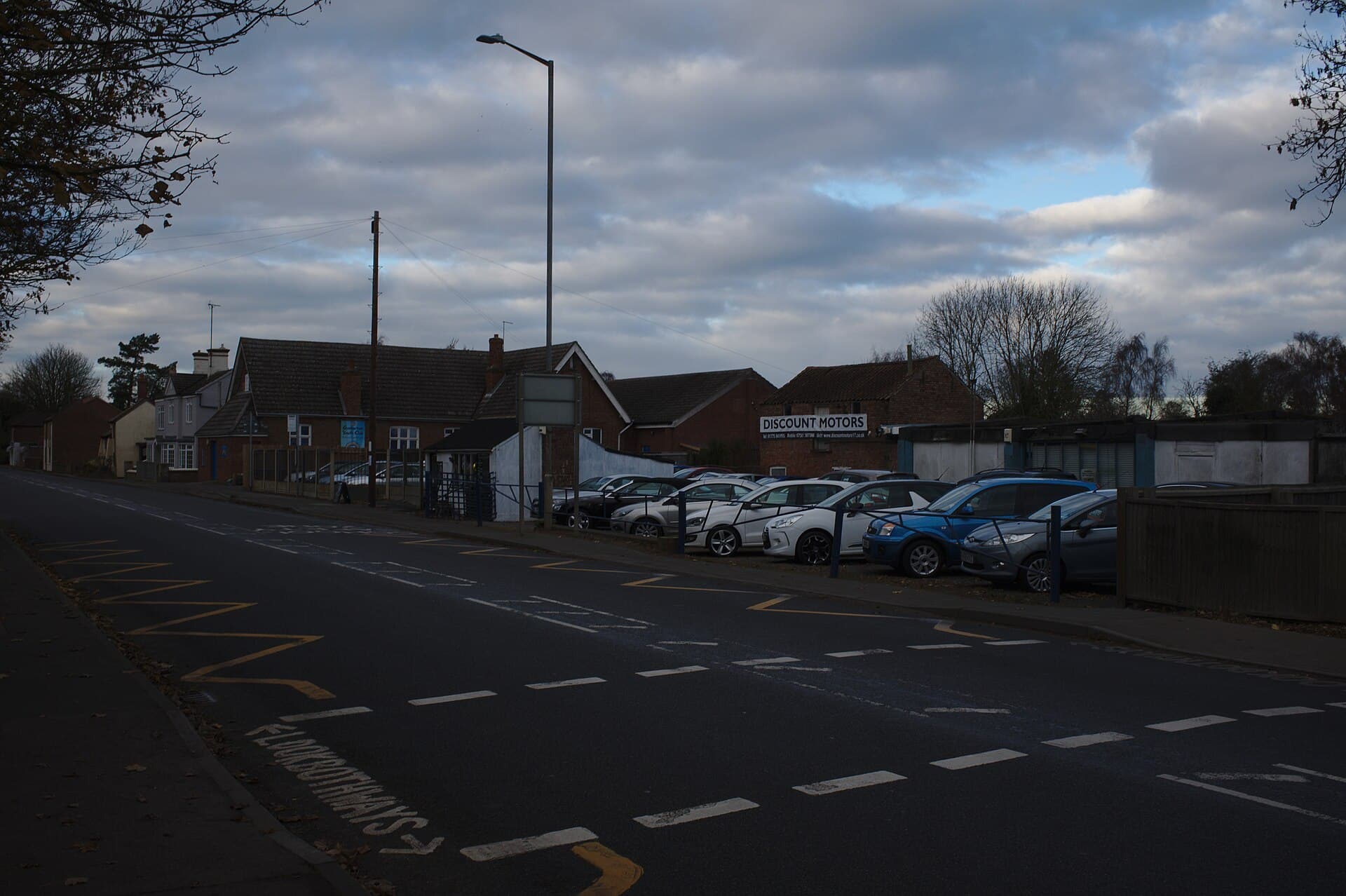
Photo: Dietmar Rabich. CC BY-SA 4.0. Source. See all image credits.

A Melbourne laneway at evening is a useful picture of household credit. Dinner, a pair of shoes, a phone screen at the till, a card, a BNPL tile, a personal-loan advertisement on the tram home. Three products can fund the same $800. They do not cost the same, they do not last the same, and they do not look the same when a lender later opens Equifax or Experian.
The old Plenty Credit Co-operative issued a MasterCard and wrote personal loans from the same teal menu. It did not pretend they were one product. This guide keeps that distinction and adds buy now pay later, which arrived after the co-operative’s website went into the archive. It is general information, not a recommendation to use any of the three.
ASIC’s MoneySmart pages on personal loans, credit cards and buy now, pay later are the public explainers. The National Credit Code is the statute that already covered loans and cards and, after the 2025 reforms, reaches much further into BNPL.
How do the costs of personal loans, credit cards and BNPL actually differ?
Personal loans usually charge a disclosed annual interest rate on a fixed (or sometimes variable) amount, plus fees. You are meant to repay to zero over a set term. The honest cost is the interest plus fees over that term — which is why a comparison rate exists, and why it is still only a first filter.
Credit cards charge interest only if you do not use the interest-free period as designed. The advertised rate looks shocking next to a personal loan — often well into the high teens or more — because the product assumes revolving balances. Annual fees, cash-advance rates, and international loadings sit on top. The cheap version of a card is the one that is paid in full before the due date. The expensive version is the one that carries a balance for years. How credit card interest works is the mechanics.
Buy now pay later often advertises “no interest” and then charges late fees, account fees, or a merchant-funded discount that you never see. Some products now charge explicit interest or establishment fees as they move closer to ordinary credit. Four instalments on a jacket can be cheap if every instalment lands. Four instalments on seven jackets is how a fee schedule becomes a second rent.
A compact way to think about cost, not a quote:
- Typical headline. Personal loan: interest and fees on a fixed term. Card: a high rate, with a free period if you clear it. BNPL: low or no interest, and fees if you are late.
- Cost if you pay as designed. The loan still costs interest for the term. A card paid in full, and a BNPL plan paid on every instalment, can cost no interest.
- Cost if you do not. The loan adds default fees but still reduces. The card compounds interest on a revolving limit. BNPL adds late fees, frozen accounts, then collections.
- Easy to grow the debt? Only by borrowing more on a personal loan. On a card the limit is already there. On BNPL there is another tile at another till.
“Pay as designed” is doing a lot of work. Households do not always.
How long do you typically have to repay each product?
A personal loan announces its term: two years, five, seven. The contract expects a finish line. You can sometimes pay it out earlier, sometimes for a fee. You cannot usually treat it as a permanent revolving limit unless you refinance.
A credit card has no finish line. The minimum repayment is designed to keep the account alive, not to clear it. That is a feature for the issuer and a trap for anyone who reads “minimum” as “enough”. A $3,000 balance on minimums can last years. The term is whatever your behaviour makes it.
BNPL is short on each purchase — a fortnight, four payments, sometimes longer “pay in six” or a longer-term plan that is really a loan. The shortness is the marketing. The stacking is the reality: several short plans overlapping look, from the household calendar, like a permanent outgoing.
If you need a known end date, a personal loan is built for that shape. If you need a few weeks to absorb a single bill and you will actually pay it, a card’s interest-free period or a single BNPL plan can be cheaper than opening a two-year loan. Those are descriptions of structure, not instructions for your next till receipt.
How does each product show up on your credit report?
Personal loans are ordinary credit accounts. They appear with a limit or balance, repayment history, and an enquiry when you apply. A missed repayment can become a late mark; a serious overdue amount can become a default. Pull the free files and see how earlier loans were recorded — how to get a free credit report.
Credit cards appear as open accounts with a limit. The limit counts even if the card is at $0. That is why an unused store card still matters in a later personal-loan application, and why closing a card is a decision with side effects. Enquiries for cards are as visible as enquiries for loans. Hard versus soft enquiries applies to both.
Buy now pay later used to live in a grey strip of the file — sometimes an enquiry, sometimes nothing, sometimes a default that arrived as a surprise. Australian law has been dragging BNPL toward the same neighbourhood as other consumer credit: licensing, responsible lending, hardship rights, and credit reporting. The detail is in buy now pay later rules in Australia. The practical warning is already safe to print: do not assume the tile is invisible. Missed BNPL can now stain the same report a car loan sits on.
Defaults, from any of the three, are the items that linger. Paying a default does not rewind the date it was listed. Improving a credit score is mostly dull behaviour after that, not a new product.
MoneySmart’s credit scores and credit reports page is the regulator’s version of the same map.
When is a personal loan typically used?
A personal loan is typically used when the amount is known, the purpose is a single event, and the borrower wants the debt to shrink on a timetable. Common purposes — described, not recommended — include a used car (with the extra traps in what to check on a car loan), a consolidation of smaller debts, a medical or dental bill, or a relocation.
It is a poor match for an ongoing lifestyle gap. If the calendar does not work this month, a 60-month contract does not fix the calendar. It postpones the conversation and adds interest.
Secured versus unsecured still matters inside this category. A loan against a car or a term deposit is a different risk from a clean unsecured contract. Secured versus unsecured personal loans is the split.
When do people reach for a credit card instead?
When the amount is uncertain, when they want a reusable limit, when they can realistically clear the statement each month, or when they want purchase protection and a dispute path that a BNPL tile may not match.
Cards are also reached for when a personal-loan application would be slower or would create a hard enquiry the household does not want this week. That can be rational. It can also be how a temporary gap becomes a revolving balance at 19.99% p.a. while a 5-year loan at a lower rate is rejected as “too much paperwork”.
A card is a tool with a very sharp minimum-repayment edge. If you already pay interest most months, you are not using the interest-free design. You are using an expensive revolving loan that did not have to disclose a comparison rate in the same way a personal loan advertisement does.
When is buy now pay later typically used?
At the till, on amounts that feel too small for a loan application and too ordinary for a card statement debate: children’s sport, a supermarket shop, a pair of boots, a repair. The product is built for frictionless yes.
That is the risk. Friction is how households notice they are out of month. BNPL restores the yes and moves the no to a series of future debits that each look modest. Late fees are how the provider is paid when the instalment misses. Credit reporting is how the miss can follow you.
BNPL is a worse fit when:
- you already have several plans open
- the purchase is something you would not put on a card you pay in full
- you are about to apply for a mortgage or a car loan and wanted a quiet file
- you are using it to cover a repayment on another product
The last of those is stacking, and it is the next heading.
What happens if you stack all three?
Stacking is ordinary and underestimated. A personal loan for the car, a card for the unexpected, BNPL for the rest. Each provider may have seen a snapshot that did not include the applications you made the following Tuesday.
Consequences that show up in assessments and in kitchens:
- Serviceability shrinks. Responsible lending looks at existing repayments and limits. Three small products can crowd out one necessary one.
- The file looks busy. Enquiries and open accounts accumulate. Later lenders read clusters as stress.
- The calendar collides. A loan debit, a card due date and three BNPL instalments in the same week are how a buffer account goes to zero.
- Consolidation becomes a sales pitch. A new personal loan to “clear the cards and the BNPL” only works if the cards are closed or cut up and the BNPL apps are deleted. Otherwise you have four products.
If the stack is already wobbling, do not add a fifth tile. Ask the existing credit providers about hardship — how to ask a lender for help — and use the National Debt Helpline on 1800 007 007 if you want a free, independent conversation. The National Credit Code expects hardship to be considered on regulated contracts. That is a better right than a new advertisement.
A way of choosing without being told what to choose
Three questions, none of which require a brand:
- Is the amount finished? If yes, a reducing loan has the right shape. If no, a revolving product will tempt you to finish it later.
- Will it be gone in a month if I am strict? If yes, a card paid in full or a single BNPL plan may cost less than a two-year contract. If no, the high card rate and the BNPL late-fee schedule are the real prices.
- What will the file look like if I apply for something larger next year? Quiet, dull accounts beat a mosaic of tiles.
Then compare any personal loan as a contract, read it before you sign, and ignore any website that says one product “unlocks financial freedom”. Plenty of Care, on the old Lalor site, never meant a third form of credit. It meant reading the debit dates before the laneway shops did the reading for you.
Frequently asked questions
Is a personal loan cheaper than a credit card?
Often the interest rate is lower, and the balance is designed to fall. A card that is paid in full each month can still be cheaper than a loan you did not need. Compare total cost and term, not the first percentage you see.
Does buy now pay later appear on your credit report?
Increasingly, yes. Australian reforms have moved many BNPL products toward mainstream credit treatment, including responsible lending, hardship rights and credit reporting. Do not assume a BNPL account is invisible.
Can I use a personal loan to pay off cards and BNPL?
People do. It only helps if the old accounts are closed or left idle and the new repayment actually fits. A consolidation loan plus the same card limits is how households end up with both debts.
Questions about this guide? Contact the Plenty Credit desk or read our editorial standards.
More in Personal loans
Car loans in Australia: what to check before you sign
The weekly figure on the windscreen is not the cost of the car. Dealer finance, balloon payments, insurance add-ons, used-car history and the PPSR all change what you drive away owing.
9 min read · 27 May 2026
What is a comparison rate and why it matters
A comparison rate is a legal percentage, not a marketing badge. It folds most known fees into a single figure — but the $150,000 over 25 years example on many ads is the wrong picture for a personal loan.
9 min read · 19 April 2026

How to apply for a personal loan in Australia
A personal loan application is a responsible-lending assessment, not a formality. Here is the paperwork Australian lenders usually want, why the quote is not the billboard rate, and how a credit score enters the decision.
9 min read · 11 March 2026