What is a comparison rate and why it matters
A comparison rate is a legal percentage, not a marketing badge. It folds most known fees into a single figure — but the $150,000 over 25 years example on many ads is the wrong picture for a personal loan.
Published 19 April 2026 · Updated 16 October 2026 · 9 min read
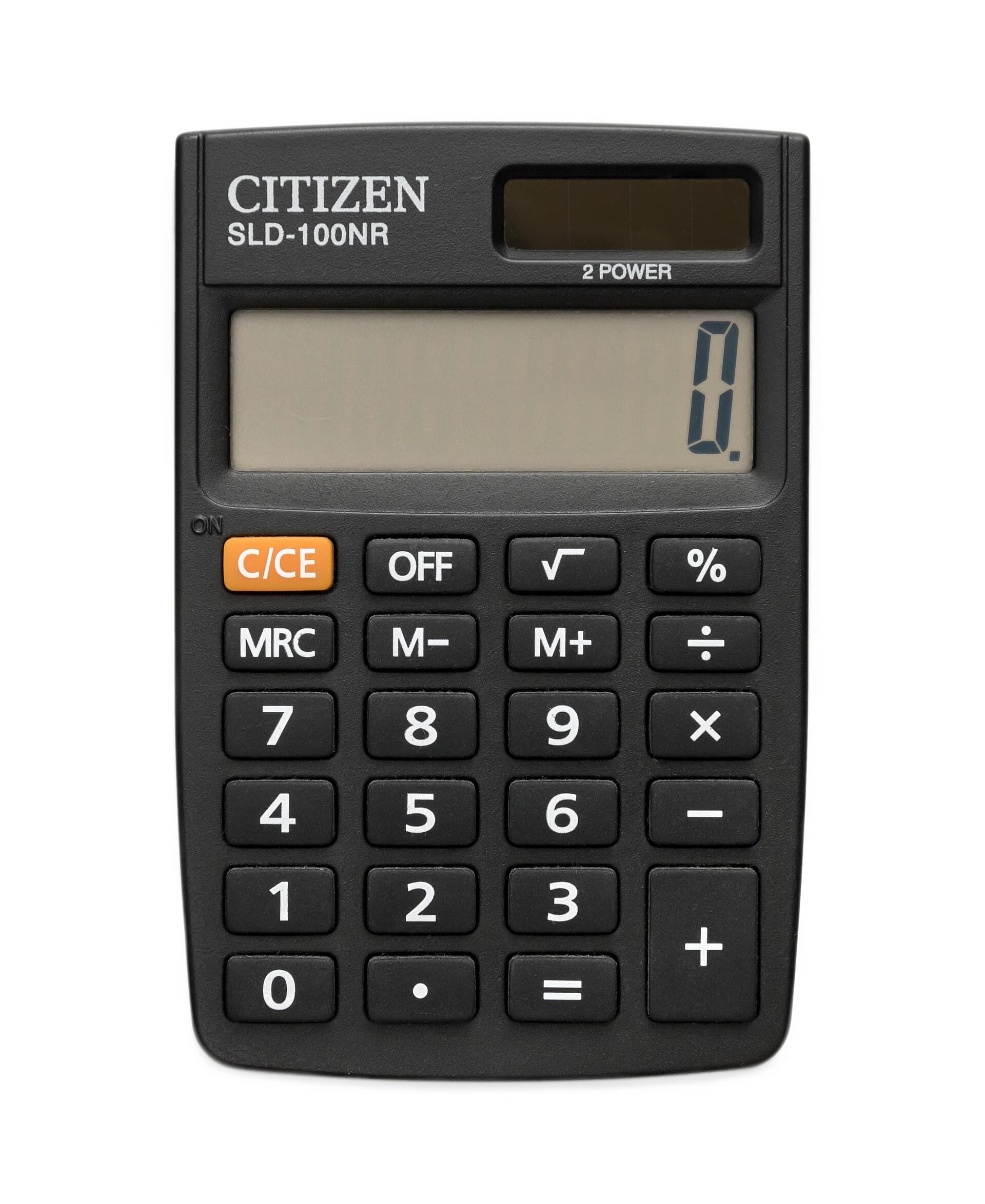
Photo: LoMit. CC BY-SA 4.0. Source. See all image credits.

Most loan advertisements in Australia print two percentages. The larger one is the interest rate the designer wants you to remember. The smaller one, often in a footnote typeface, is the comparison rate. It is not a second opinion from a website. It is a figure the law requires so that a cheap-looking rate plus a pile of fees cannot hide as easily as it used to.
The old Plenty Credit Co-operative site kept a calculator among its “Tips”. Members punched in an amount and a term because the percentage on the flyer was never the whole story. A comparison rate is that habit, standardised, and then frequently misunderstood.
This explainer is about what the number legally is, which example it was cooked on, which fees sit inside it, and why two loans with the same advertised rate can still disagree. It is general information, not a recommendation of any product. The primary public sources are ASIC’s MoneySmart personal loans page and the National Credit Code.
What is a comparison rate under Australian credit law?
Under the National Credit Code — Schedule 1 to the National Consumer Credit Protection Act 2009 — and the regulations that sit with it, a comparison rate is a way of expressing the total cost of credit as an annual percentage rate. It includes the interest rate and most fees and charges that are known at the outset, on a prescribed set of assumptions.
In an advertisement for many credit products, if an interest rate is mentioned, a comparison rate must usually appear with it, along with the amount and term used to calculate that example. The point is comparison between products on the same example, not a personalised quote.
A comparison rate is therefore:
- a legal construct, with a method, not a slogan a lender invented
- example-based, unless someone has calculated it on your actual amount, term and fee set
- incomplete, because some costs are defined out of the formula
- compulsory in many ads, which is why you see it even when the designer wishes you would not
It is not a forecast of the rate you will be offered. Risk pricing still happens afterwards. How to apply for a personal loan is where that gap shows up.
Why do ads use a $150,000 loan over 25 years?
Because the law and the industry needed a shared example for long-term, large-balance credit — the home-loan shape Australians see on television. A comparison rate calculated on $150,000 over 25 years lets one mortgage advertisement be lined up, roughly, against another that uses the same example.
That example is a poor picture of a personal loan.
A $12,000 unsecured loan over three years has a different relationship between a $250 establishment fee and the interest. On a 25-year, $150,000 example, the same $250 fee almost disappears into the percentage. On a three-year, $12,000 loan, it is a real slice of the cost. If you take a home-loan comparison rate and use it to judge a personal loan, you are comparing a river to a kitchen tap because both involve water.
Personal-loan advertisements should state their own example — commonly amounts such as $10,000 or $30,000 over three or five years. Read that sentence in the disclaimer. If two personal loans use different example amounts or terms, their comparison rates are not sitting on the same bench.
When you compare personal loans, first match the examples, then match the products.
What does a comparison rate look like on a personal loan?
A typical tile might read:
9.49% p.a. · comparison rate 10.62% p.a.
and, in smaller type:
Comparison rate based on a secured loan of $30,000 over 5 years.
Four facts are hiding in that stub:
- The interest rate is 9.49% per annum on the product as advertised.
- Once most known fees are included, the worked example looks like 10.62%.
- The example is secured. An unsecured version of the “same” product may have a different pair of numbers. See secured versus unsecured.
- The example is $30,000 over five years. Your $8,000 over two years will not reproduce 10.62%.
The gap between 9.49 and 10.62 is the fees speaking. A gap of a few basis points suggests light known fees on that example. A gap of several percentage points suggests the opposite, or an awkward combination of a short term and a fat establishment fee.
Neither gap tells you about late fees, a break cost if you refinance, or add-on insurance. Those belong in the next two headings.
MoneySmart’s personal-loan guidance is deliberately boring on this point: use the comparison rate as a first filter, then read the fees. That is still the right order.
Which fees are included in a comparison rate?
In broad terms, the formula is trying to capture the costs you will pay if you take the loan and behave as the example assumes — you draw the amount, you pay on time, you keep the loan for the stated term, you pay the fees that are known and unavoidable at the start.
Typically inside the number:
- the interest rate used in the advertisement
- establishment or application fees that will be charged
- monthly or annual account-keeping fees that are part of the product
- some other known, compulsory credit fees that do not depend on a future event
The regulations are more precise than a magazine sentence. The practical test for a reader is: if the fee is printed as a standard cost of having the loan, and it does not depend on you being late, early, or insured, it is probably in the comparison rate. If you cannot tell, ask the lender to list what they included. A shrug is a useful answer; it means you must do the arithmetic yourself.
On a calculator — the Citizen on the kitchen table, or the one on a lender’s site — reproduce the example first. If you cannot get close to the advertised comparison rate, you are missing a fee or you are using the wrong amount and term.
Which fees are left out of a comparison rate?
This is the list that makes the number look tidier than household life.
Late and dishonour fees. The example assumes you pay on time. Plenty of the real cost of credit, for people who are already stretched, lives in these fees. They will not show in the comparison rate.
Some early-repayment and break costs. The example usually assumes you keep the loan for the advertised term. If you are the sort of borrower who would pay a car loan out after a bonus, the comparison rate may ignore the very fee you will hit. Fixed-rate break costs are a classic omission.
Optional insurance and add-ons. Consumer credit insurance, mechanical breakdown insurance, gap insurance, warranty products sold at a finance desk — these can dwarf an establishment fee and often sit outside the comparison rate because they are styled as optional. Optional in the contract; ticked on the screen. Car loans are where this pattern is most expensive.
Government fees and third-party costs. Registration of a security interest, some stampings, valuation fees in other credit types — treatment varies, and you should not assume they are inside the percentage.
Fees that depend on use. Redraw fees, extra statement fees, payment-handling fees if you refuse direct debit. The example cannot know you will use them.
Risk-priced rate changes. The comparison rate is calculated on the rate in the ad. If you are offered a higher rate, the comparison rate in the ad is no longer your comparison rate.
The National Credit Code did not claim to put every possible dollar into one percentage. It claimed to make advertised rates harder to dress up. The fee schedule remains mandatory reading. So does the contract.
Why can two loans with the same interest rate have different comparison rates?
Because the comparison rate is doing the job it was designed for: exposing different fee loads on the same headline rate.
Simple illustrations — invented, not offers:
- Loan A: 11.00% p.a., no establishment fee, no monthly fee. Comparison rate sits close to 11%.
- Loan B: 11.00% p.a., $400 establishment fee, $10 a month, three-year term. Comparison rate sits noticeably above 11%.
- Loan C: 11.00% p.a., same fees as B, but advertised on a seven-year example. The same dollar fees are spread thinner, so the comparison rate looks closer to 11% than Loan B’s, even though a borrower who kept it seven years would pay more interest.
Loan C is the reminder that a prettier comparison rate can mean a longer example, not a kinder product. Always read the amount and term under the number.
Security also splits a “same rate” pair. A secured and an unsecured product can share a brand and a television rate and still publish different comparison rates because the fee schedules or the example assumptions differ.
If you want a household total rather than a legal percentage, fix your amount and your term, add every fee you can find, and ignore any example that is five times larger and twenty years longer. That is the Plenty Valley version: the calculator, the lined page, and no credit for a number that was built for a different loan.
How should you use a comparison rate when you shop?
Use it as a sorting hat, not as a verdict.
- Only compare comparison rates that use the same amount, term and security type.
- Treat a wide gap between the advertised rate and the comparison rate as a prompt to open the fee table, not as a reason to close the tab.
- Recalculate on the amount you would actually borrow. Application documents should match that amount, not the example.
- Look for the costs the comparison rate cannot see: early exit, insurance, late fees, a higher risk price.
- Remember that a comparison site may sort by a number that is good for the panel, not by the example that matches you.
If repayments on an existing loan already will not fit, a keener comparison rate on a new product is the wrong object of study. Hardship variations sit in the same Code as the comparison-rate rules, and they are the chapter to read first.
A comparison rate is one of the more honest percentages in Australian credit advertising. It is still a percentage on someone else’s example. The calculator on the table — plastic, battery, no app — remains the more local instrument.
Frequently asked questions
What is a comparison rate on an Australian loan?
It is a single percentage, calculated under the National Credit Code, that includes the interest rate plus most fees and charges known at the start. Advertisements for many credit products must show it next to the interest rate.
Why is a comparison rate based on $150,000 over 25 years?
That is a standard example often used for longer, larger loans such as home loans. A personal-loan advertisement should state the amount and term used for its own example — commonly a much smaller figure over a few years. The two percentages are not interchangeable.
What fees are not included in a comparison rate?
Fees that depend on how you use the loan are often left out: late-payment fees, some early-repayment or break costs, optional insurance, government charges, and fees that may never be charged. Always read the fee schedule.
Questions about this guide? Contact the Plenty Credit desk or read our editorial standards.
More in Personal loans

Personal loans vs credit cards vs buy now pay later
Three ways to pay later, three different clocks. Personal loans, credit cards and buy now pay later do not cost the same, last the same, or look the same on an Australian credit file — and stacking them is how a small gap becomes a file.
9 min read · 30 June 2026

Car loans in Australia: what to check before you sign
The weekly figure on the windscreen is not the cost of the car. Dealer finance, balloon payments, insurance add-ons, used-car history and the PPSR all change what you drive away owing.
9 min read · 27 May 2026

How to apply for a personal loan in Australia
A personal loan application is a responsible-lending assessment, not a formality. Here is the paperwork Australian lenders usually want, why the quote is not the billboard rate, and how a credit score enters the decision.
9 min read · 11 March 2026