How credit card interest and interest-free periods work
Purchase rates, cash advances and residual interest are different machines. Miss a full repayment and the interest-free window can vanish, while minimums keep the balance alive for years.
Published 22 March 2026 · Updated 15 October 2026 · 10 min read

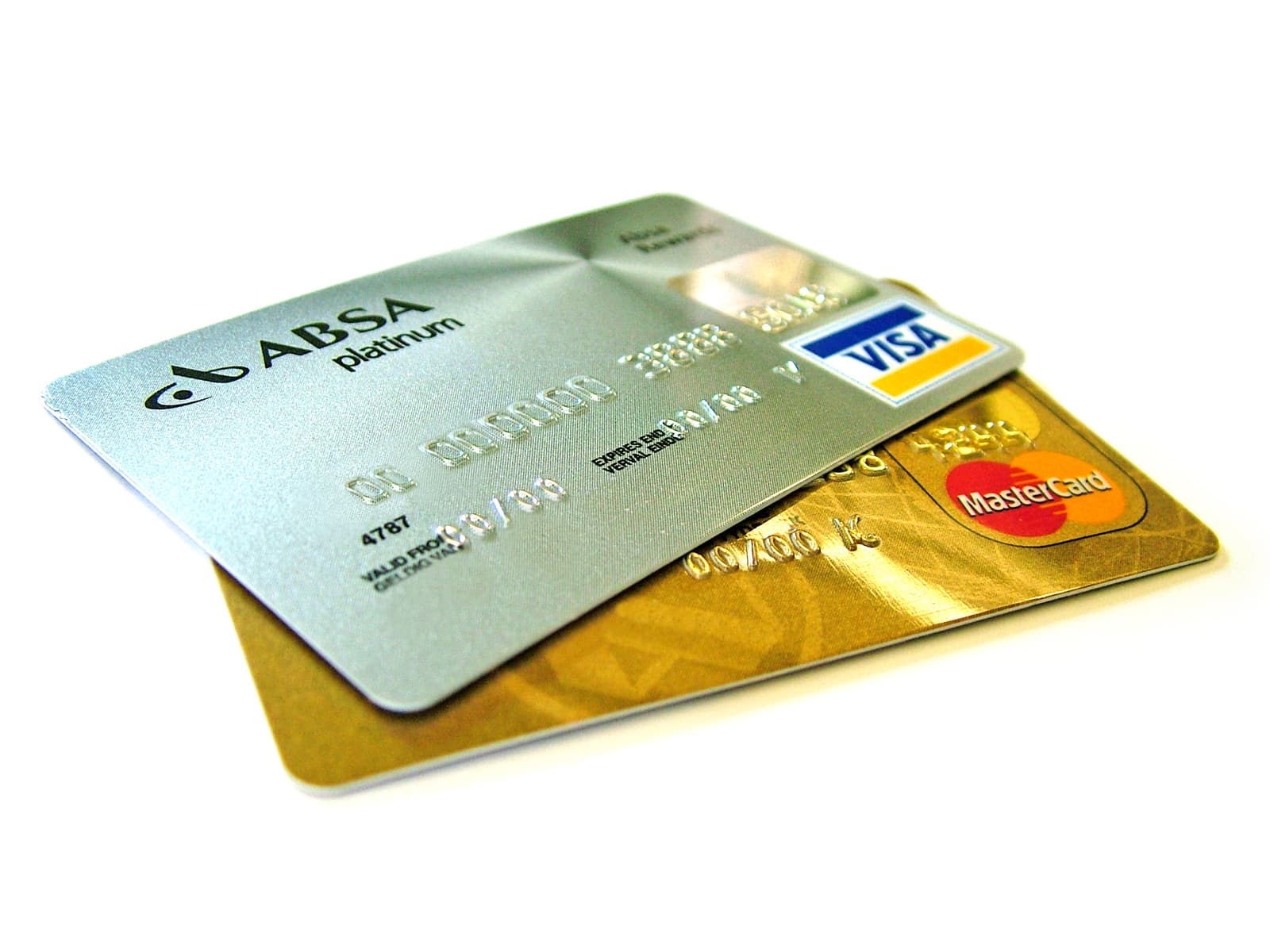
Photo: Travellers travel photobook. CC BY 2.0. Source. See all image credits.

A credit card is a revolving loan dressed as a payment method. The interest engine underneath is not one rate. It is a set of rules about which transactions earn interest, from when, and whether last month’s behaviour still entitles you to an interest-free window this month.
ASIC Report 788 — Credit card lending in Australia: Staying in control, published in July 2024 — is the regulator’s recent look at how those rules meet real households. Without copying the report, the themes are hard to miss: cards are easy to misunderstand; many people carry high-rate balances for a long time; cash advances and multiple cards show up alongside the worst outcomes; promotional features only help if you use them the way the brochure assumed.
MoneySmart’s consumer pages on choosing a card and the interest-free period glossary are the plain-English pair. This article stays with the mechanics. It is general information, not a review of any issuer and not a suggestion that you should hold a card at all.
How does credit card interest work in Australia?
Interest is charged on outstanding amounts according to the contract. The purchase annual percentage rate is the number in the advertisement. It is applied as a daily rate to the relevant balance. If you never revolve, and you meet the conditions for interest-free days, that purchase rate can sit unused — an expensive-looking number that never touches you.
The moment those conditions fail, the same number becomes the cost of last month’s groceries. Australian purchase rates on many cards still sit well into the teens or twenties. Report 788 noted that a great deal of interest was still being paid on cards with purchase rates above 20 per cent, and that moving that debt to cheaper card rates (where a cheaper suitable card even exists) would have saved a large sum across the system. The policy point for lenders was product design. The kitchen-table point is: the purchase rate is not a theoretical sticker if you revolve.
Other rates on the same account are often higher:
- Cash advance rate, usually from the day you take the cash or the cash-like transaction.
- Promotional rates on a balance transfer, which later revert.
- Sometimes a different rate for certain special transactions.
Payments are allocated according to the contract and to National Credit Code rules that generally push money toward higher-rate balances first, with some room to ask for a different allocation. That is why extra spending on a transfer card can intercept the repayment you thought was killing the 0% bucket. Read the allocation clause. It is not a footnote.
What is an interest-free period on a credit card?
An interest-free period is a contractual promise that eligible purchases will not accrue interest if you do what the promise requires. The usual requirement is that you pay the statement closing balance in full by the due date.
When do interest-free days start?
The advertised length (up to 44 days, up to 55, and so on) is typically counted from the start of the billing cycle, not from the tap. A purchase made just after a statement cuts has more calendar left than a purchase made just before the next one. You do not get “55 interest-free days” on every transaction as if each coffee had its own stopwatch.
If you pay in full, on time, the purchases on that statement should not attract purchase interest. If you pay anything less than the full closing balance — even a few dollars short because a late fee landed, or because a disputed transaction is still sitting there — many contracts say you have not met the condition. Interest can then apply to the purchase balance, and the next cycle’s free days can be lost until you again satisfy the rules (often by paying a later statement in full and waiting out the issuer’s reset).
That is the feature ASIC has worried about for years: people choose a card because of free days and then use it in a way that never unlocks them, while paying a higher rate than a simpler card would have charged.
Why is cash-advance interest different?
A cash advance is not a purchase. Taking cash from an ATM, certain “cash equivalent” transactions (the contract will list them: sometimes gambling, sometimes transfers that the issuer treats as cash), and some overseas cash withdrawals sit in a separate bucket.
Typical treatment, which you must still confirm on your conditions of use:
- No interest-free period. Interest usually runs from the day of the advance.
- A higher rate than purchases.
- A fee per advance, sometimes a percentage with a minimum dollar amount.
Report 788 flagged cash advances among the patterns associated with customers in deeper trouble — alongside younger consumers, people with more than one card, and people who cannot make minimums or who only ever make small repayments. That is a population description, not a verdict on one ATM withdrawal at Southern Cross. It is a reason to treat cash-like use as a dear loan, not as “using the card”.
If you need cash because the household calendar has broken, a cash advance is usually a worse tool than talking to the issuer about hardship, or than a cheaper, structured loan you have actually compared. It is also a hard-looking event on a budget even when it is not a new credit enquiry.
What is residual interest?
Residual interest is the interest that keeps earning after the statement date, on a balance you have been revolving, until your payment is applied.
Why was I charged interest after I paid the statement?
A common surprise looks like this:
- You have been carrying a balance, so interest is already accruing daily.
- The statement prints, including interest up to the statement date.
- You pay the statement total a week later, intending to “clear it”.
- A further week of daily interest had still been ticking. The next statement shows a small new interest amount, so you are not quite at zero.
- Because you did not pay that new closing balance in full, some people also lose the following interest-free period on new purchases.
Paying “the amount on the letter” is not always the same as paying to zero as at the day the payment lands. If you are trying to get off the revolving wheel, pay extra, confirm a $0 balance in the app after the payment has posted, and ask the issuer whether any residual interest will still bill. Get $0 in writing if you are about to close the card.
Residual interest is lawful. It is also poorly understood, which is why it belongs in any honest explainer. It is not a penalty fee. It is the daily rate doing what daily rates do between two dates.
What happens if I only pay the minimum repayment?
The minimum is a contractual amount that keeps you out of “missed payment” territory if you pay it on time. It is usually a small percentage of the closing balance plus any interest and fees, or a dollar floor, whichever is greater. It is not a schedule to repay the purchases you made.
Pay only the minimum on a typical Australian card and:
- most of the payment can be eaten by interest when the rate is high
- the principal declines slowly
- years can pass before the original dinner is gone
- you remain “up to date” on the credit file while becoming more expensive to your future self
Report 788’s review of problematic debt included customers who repeatedly made only small repayments, who missed minimums, or who had significant long-term balances. Lenders, ASIC said, could do more with their own data to spot strain and talk about hardship. You do not need their model to notice the pattern on your statements: if the balance is not falling in a way you could plot on a calendar, the minimum is not doing the job you hoped.
A practical, general habit: if you use a card, set an automatic repayment above the minimum — ideally the full closing balance, or a fixed amount that actually amortises. Direct debit the day after you are paid, not the due date minus hope. The old Plenty Credit budgeting tips were this unfashionable.
Missing the minimum is worse than paying only the minimum. Late marks can appear on repayment history. Fees stack. Repeated misses are how “a busy month” becomes a default conversation.
Why did I lose my interest-free days?
Usual reasons, all of which are in someone’s terms and conditions:
- You did not pay the full closing balance by the due date.
- A payment was still processing, or a direct debit bounced.
- Residual interest or a fee made the next statement non-zero after you thought you had cleared it.
- You took a cash advance, which never had free days, and the extra cost confused the picture.
- You have a balance transfer that, on some products, blocks interest-free treatment of new purchases until the transferred amount is gone. Report 788 noted that some issuers did not apply interest-free periods to new spending while a transfer sat on the card — a design choice that turned “0% on the old debt” into “full purchase rate on the supermarket”.
- Related cards with the same issuer are sometimes treated as one relationship for the full-pay test.
The reset is also contractual. Some issuers restore free days after one clean, paid-in-full cycle. Some take longer. Ask them in writing; do not assume the brochure’s “up to 55 days” has come back because you paid extra once.
If you have lost the window and you still spend on the card, you are taking a high-rate loan on purpose. That may be a reason to choose a different style of card next time — one priced for revolvers rather than for pay-in-full points collectors — or a reason to stop using plastic until the balance is actually gone.
What did ASIC’s card review emphasise, in ordinary English?
Staying with themes, not with copied tables:
- Complexity hides mismatch. People pick features they then do not use, and pay for them anyway.
- Long-term revolving balances at high purchase rates are a consumer-harm pattern, not a quirky personal failure. Large amounts of interest were still being paid on dear cards.
- Balance-transfer outcomes vary wildly. In the review period, the share of customers who cleared the transferred debt by the end of the promotional window differed sharply across lenders. A 0% sticker is not a repayment plan. (See our balance transfer guide.)
- Cash advances, younger customers, and multiple cards showed up in the more distressed groups.
- Hardship spotting was uneven. Some issuers were not using their own data to reach people who were already wobbling.
For a household in Melbourne’s north, the translation is unglamorous. Know which bucket a transaction sits in. Pay the amount that actually stops the daily rate, not only the minimum. If the calendar will not stretch, use the hardship rights before the file grows late ticks. If the product only makes sense as a pay-in-full card and you are not paying in full, the product has already answered how you should have chosen.
The co-operative that once sat behind a teal menu never needed a 40-page ASIC report to say that interest is what happens when the statement is not cleared. The report is useful because it shows the same surprise at national scale. The statement is still the document that governs you.
Frequently asked questions
Why did I get charged interest after I paid my credit card off?
Residual interest can accrue between the statement date and the day your payment lands if you had been carrying a balance. Paying to $0 does not always unwind interest that was already earning that month.
Do cash advances have an interest-free period?
Generally no. Cash advances usually attract a higher rate from the day of the transaction, plus a fee. They are one of the dearest everyday uses of a card.
What happens if I only pay the minimum on my credit card?
The debt can last for years and the interest can dwarf the original purchases. Minimums keep the account technically current; they are not a plan to clear it.
Questions about this guide? Contact the Plenty Credit desk or read our editorial standards.
More in Credit cards
How to close a credit card without hurting your credit score
Pay the card to a confirmed $0, redeem rewards, then close in writing. Utilisation and the age of your file can move when a limit disappears, but a closed account still sits on the report for a time.
9 min read · 14 August 2026

Credit card balance transfers: when they help and when they don't
A 0% transfer can cheapen existing card debt if you stop spending and actually clear it before the promotional cliff. Fees, eligibility and new purchases are how the same product becomes more expensive.
9 min read · 1 July 2026

How to choose a credit card in Australia
Start with how you will repay, not with points. Interest-free days, annual fees, rewards and eligibility all change the cost. A card is a poor “credit building” project without a repayment plan.
10 min read · 28 February 2026