How to choose a credit card in Australia
Start with how you will repay, not with points. Interest-free days, annual fees, rewards and eligibility all change the cost. A card is a poor “credit building” project without a repayment plan.
Published 28 February 2026 · Updated 15 October 2026 · 10 min read

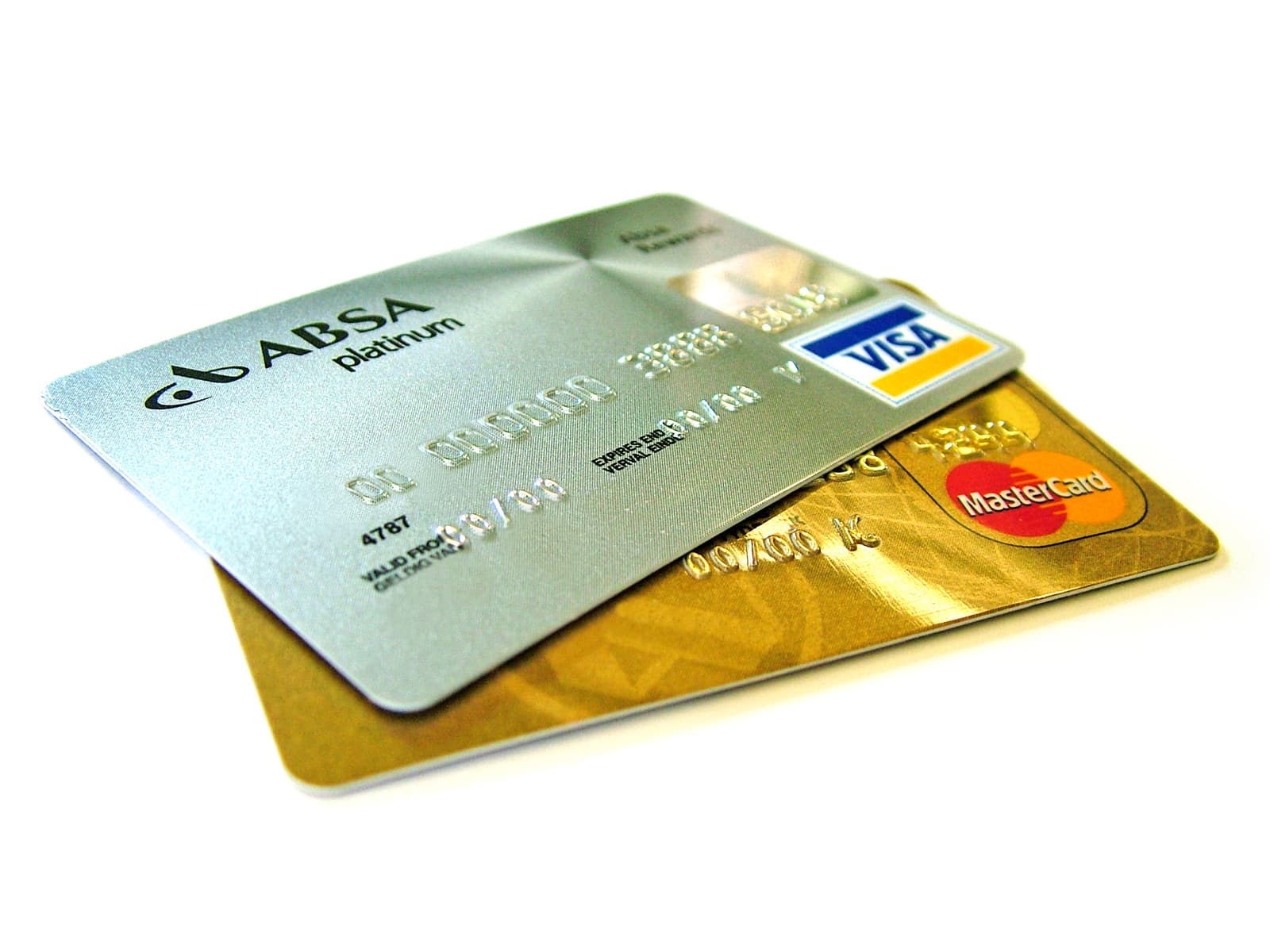
Photo: Dietmar Rabich. CC BY-SA 4.0. Source. See all image credits.

Choosing a credit card in Australia is sold as a shopping problem: points versus cashback, gold versus “simple”, 55 days versus 44. The decision that actually matters is whether you will treat the card as a charge card you clear every statement, or as a revolving loan at a rate that would look indecent on a personal-loan poster.
ASIC MoneySmart’s choosing a credit card page starts from how you will use the product. That is the right order. Features you do not use — an airport lounge you will not see, an interest-free period you will forfeit by carrying a balance — are not free. They are usually paid for in the annual fee or the purchase rate.
The old Plenty Credit Co-operative offered a MasterCard to members who wanted one, next to budgeting tips and a hardship page. The pairing was the message. This journal is not a lender and does not rank issuers. What follows is general information about the knobs on an Australian card, not a recommendation to apply.
How do I choose a credit card in Australia?
What sort of card user are you?
Write down the use, then match the product. Typical honest uses:
- Pay-in-full household spending — you want interest-free days, fraud chargeback habits, and the lowest combination of annual fee plus any extra you actually value.
- Occasional large purchase you will clear on a calendar — you still want a cheap revolving rate if the calendar slips, and you need a repayment date that matches your pay cycle.
- Existing card debt you want to move — that is a balance transfer problem, with its own fees and cliff at the end of the promotional period.
- Rewards as a hobby — only after the first two uses are true.
Then read the key facts sheet, not the banner. Australian issuers must give you a standardised sheet with purchase, cash-advance and promotional rates, the length of any interest-free period, the annual fee, late fees, and how minimum repayments are calculated. If a comparison website hides the sheet behind “continue”, stop continuing.
Do not start with a limit. A larger limit is not a prize. It is more room to get into the sort of long-term card debt ASIC described in Report 788 — balances that sit for years at high purchase rates, especially when people hold more than one card or take cash advances.
If repayments on cards you already hold are a stretch, choosing a new one is the wrong project. Ask the current issuer for hardship help before you collect another enquiry.
What is an interest-free period and who is it for?
An interest-free period (often advertised as up to 44, 55 or 62 days) is a window in which purchases do not attract interest if you meet the card’s conditions — almost always, paying the closing balance in full by the due date.
MoneySmart’s glossary notes that the period usually starts at the beginning of the billing cycle, not on the day you tapped the card. A purchase made the day before a statement cuts has more “free” days left than a purchase made the day after. The advertising number is a maximum, not a guarantee attached to every coffee.
Interest-free days are valuable if, and only if, you are the sort of user who clears the statement. They are often paired with a higher purchase rate and sometimes a higher annual fee. If you expect to revolve a balance, MoneySmart’s long-standing contrast still holds: a card with no interest-free days may carry a lower rate that applies from purchase or from statement date, which can be cheaper than forfeiting a 20-something-percent “premium” card’s free days.
Cash advances, balance transfers and some special transactions usually do not get those free days. Our companion explainer, how credit card interest and interest-free periods work, is the mechanics. This page is the shopping choice: do not pay extra for a feature your repayment habit will not unlock.
Should I pay an annual fee for a rewards card?
Annual fees buy a bundle: the plastic, the rewards scheme, insurance extras, the advertising. They do not buy a higher credit score.
How do I tell if rewards are worth the annual fee?
A simple way to think, without pretending it is advice for your supermarket shop:
- Add the annual fee.
- Add any monthly or card-companion fees.
- Estimate the interest you would pay if you missed a full-pay month (use the purchase rate, not zero).
- Estimate the cash value of points or cashback you will actually redeem, after caps, exclusions, and the “points earn on groceries except when they do not” rules.
If the extras do not clearly outrun the fee on a pay-in-full habit, a low-fee or no-fee card is the less romantic product and the more honest one. Complimentary travel insurance is not complimentary if you never travel, or if the policy’s conditions fail the trip you take. Read the insurance Product Disclosure Statement; it is a product, not a sticker.
Rewards also create a closing trap. Points can expire or vanish when you close the card. If a fee-heavy card is only earning dust, the choice is not “keep it for the score”. It is whether the fee is buying anything you use.
Store cards and “20,000 bonus points this weekend” offers are how tidy files acquire extra hard enquiries in November. The bonus is a customer-acquisition cost. The enquiry is yours for years.
Is a comparison rate used for credit cards?
Not the way it is for many fixed-term consumer loans.
For personal loans and similar contracts, a comparison rate exists to roll in certain interest and fees so that a cheap advertised rate with a fat establishment fee is harder to hide. We cover that tool in how to compare personal loans. Credit cards are revolving. What you pay depends on whether you clear the balance, whether you take a cash advance, whether you use a promotional transfer, and how long you sit on the minimum. No single percentage can capture that without pretending you are a robot with a known spending path.
What you do have is the key facts sheet, the purchase rate, the cash-advance rate, the annual fee, and — if you will revolve — a spreadsheet of a year of minimum versus fixed repayments. ASIC’s card work has repeatedly found that people choose on rewards and free days and then use the card as expensive long-term debt. A comparison-rate sticker would not have saved them from that mismatch. A truthful sentence about their own last six statements might have.
If a salesperson quotes a “comparison rate” on a card, ask what assumptions sit inside it. If they cannot say, you are not looking at the personal-loan figure you might be used to.
What eligibility and credit-score checks should I expect?
Issuers must assess the credit contract responsibly. In ordinary English: they will look at your income, existing debts (including other cards and often BNPL), and a credit report. Which bureau they pull is their choice — Equifax versus Experian (and former illion data) — so a “good” badge on an app is not a preview of their screen. See what a good credit score means.
Expect:
- a hard enquiry when you apply, not when you merely read a web page (confirm any “eligibility check” is soft before you click)
- a limit that may be lower than the marketing maximum
- a possible decline if serviceability is tight even when the bureau band looks fine
- a possible approval at a less generous product or rate if the issuer risk-prices
Do your own file-reading first: free Equifax and Experian reports, errors disputed, enquiry clusters avoided. Applying to four cards in a week to “see who says yes” is how eligibility theatre becomes a score problem.
If you already hold a card with the same bank, a second card is still a new contract. It is not a harmless extra plastic. It is another limit, another minimum, another way to lose interest-free days across related accounts — some issuers treat related cards as one repayment relationship. Read that clause.
Can a credit card build my credit score?
A card that is opened, used modestly, and paid on time adds repayment history and an account to the file. Over a couple of years that can make a thin file look less empty. That is the grain of truth in the “build credit” pitch.
The rest of the pitch is how people hurt themselves:
- Opening a card without a repayment plan, missing a due date, and collecting late ticks.
- Using most of the limit, so utilisation looks stressed even if you intend to pay.
- Taking the card because a store offered ten per cent off today, then revolving the purchase at the purchase rate.
- Treating BNPL plus a new card as “not real debt”.
Plenty Credit will not tell you to open a card for your score. We will say: if you already have one, paying it in full is the behaviour that files like. If you do not have one, a card is an expensive instrument to pick up solely as a gym membership for Equifax. There is no official Australian “starter card” that magically produces an excellent band. Be wary of anyone selling one.
If the goal is a cleaner file, start with the file: free reports, corrections, on-time payments, fewer applications. That work is slower than a bonus-points application and considerably cheaper.
What else belongs on the shortlist besides rate and points?
Work through a dull checklist before any apply button:
- Due date versus payday. A due date three days before you are paid is how people who “always mean to pay in full” lose the interest-free period.
- Minimum repayment formula. Minimums are designed to extend the debt. ASIC’s card research has spent years on customers who only pay small amounts. Set a higher automatic repayment if you use the card at all.
- Cash-advance and overseas ATM fees. If you might draw cash, assume the cash rate from day one.
- Foreign-transaction fees. A “rewards” card can give back less than a two-percent FX fee takes, unless you have a specific travel use and have done the arithmetic.
- Limit-increase invitations. You can opt out of being asked. A higher limit is extra utilisation capacity and extra temptation.
- How to close it later. Fees, residual interest, points. If you cannot describe the exit, do not celebrate the entrance.
The Plenty Valley version of this advice used to fit on a leaflet next to a budgeting calculator: only take the card whose statement you can clear, read the key facts sheet, and do not confuse a points catalogue with a saving. The catalogue is prettier. The statement is the document that governs you.
Frequently asked questions
Should I choose a credit card with rewards or a low fee?
Rewards only help if you pay in full, avoid extra interest, and actually redeem the points. If you revolve a balance, a simpler, cheaper-rate card is usually the less expensive tool.
Do credit cards use a comparison rate like personal loans?
Not in the same way. Cards are compared with a key facts sheet — rates, interest-free days, fees — rather than a single comparison-rate figure of the sort used for many fixed-term loans.
Can I take out a credit card just to build my credit score?
A well-managed card can add repayment history. An unpaid card adds late marks, utilisation and possibly a default. Do not open a facility you cannot repay in full as a score strategy.
Questions about this guide? Contact the Plenty Credit desk or read our editorial standards.
More in Credit cards
How to close a credit card without hurting your credit score
Pay the card to a confirmed $0, redeem rewards, then close in writing. Utilisation and the age of your file can move when a limit disappears, but a closed account still sits on the report for a time.
9 min read · 14 August 2026

Credit card balance transfers: when they help and when they don't
A 0% transfer can cheapen existing card debt if you stop spending and actually clear it before the promotional cliff. Fees, eligibility and new purchases are how the same product becomes more expensive.
9 min read · 1 July 2026

How credit card interest and interest-free periods work
Purchase rates, cash advances and residual interest are different machines. Miss a full repayment and the interest-free window can vanish, while minimums keep the balance alive for years.
10 min read · 22 March 2026