What is a good credit score in Australia?
A “good” Equifax band is not the same as a “good” Experian band, and neither is a loan offer. Here is how Australian score scales, ratings and risk-based pricing actually work.
Published 20 January 2026 · Updated 15 October 2026 · 9 min read
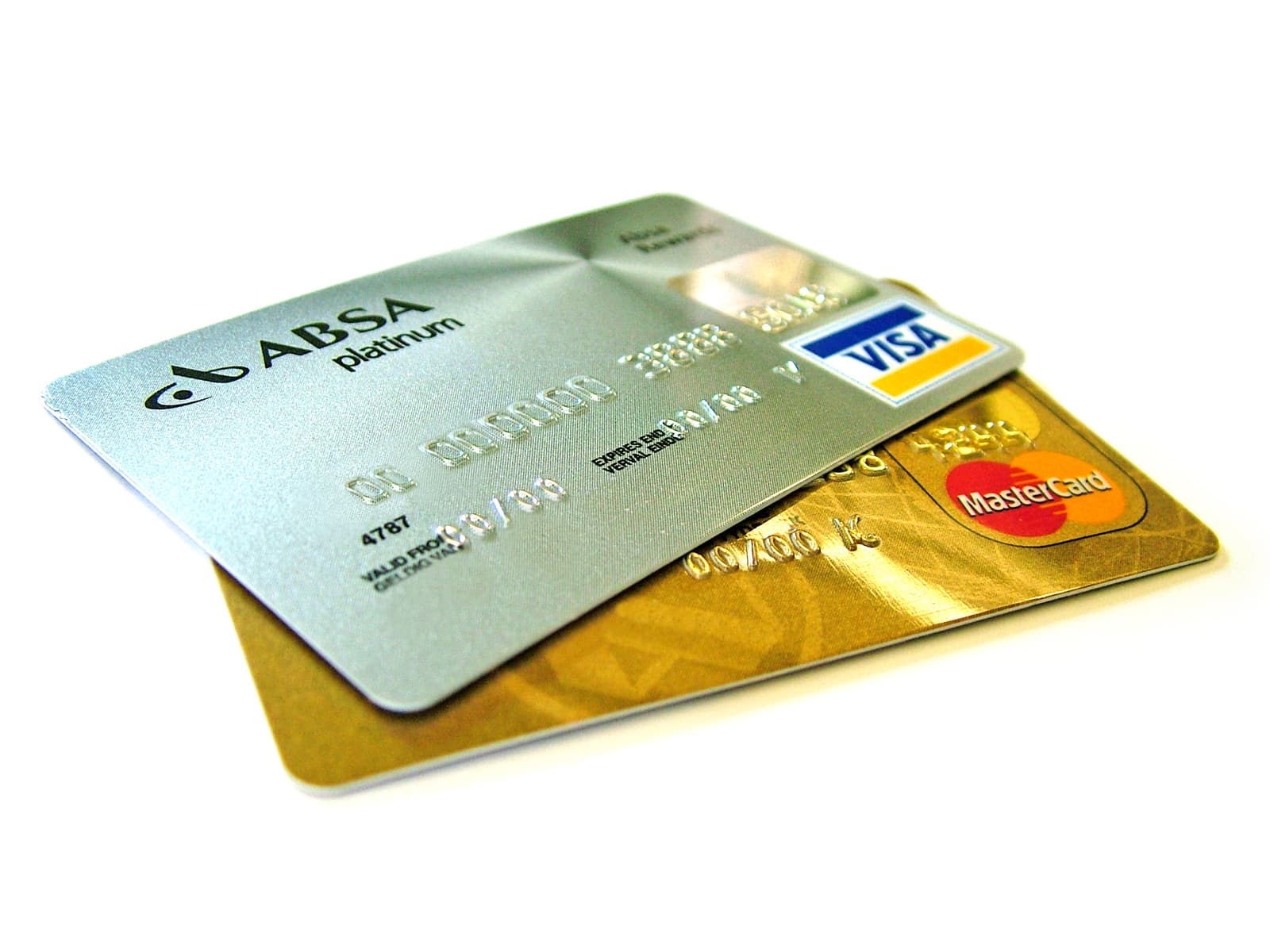
Photo: Lotus Head. CC BY-SA 2.5. Source. See all image credits.

Australians are sold a tidy story: check an app, see a traffic-light band, and treat “Good” as a ticket to cheap credit. The file that actually sits in front of a credit assessor is messier. Equifax and Experian do not share a scale, they do not share every account, and a coloured badge on a phone is not an offer from a lender.
The old Plenty Credit Co-operative in Lalor used to explain products in ordinary English and then send members to the document that governed them. A credit score deserves the same treatment. This guide is general information about how Australian scores are labelled and used. It is not a prediction of whether any particular application would be approved.
What is a good credit score in Australia?
There is no official national number. ASIC’s MoneySmart pages are blunt about it: depending on the credit reporting agency, a score sits between zero and either 1,000 or 1,200, and the “rating” is the band that agency prints next to the number — low, fair, good, very good, excellent, or the Equifax wording of below average through excellent.
A good score, in plain terms, is a number that sits in a band the bureau itself calls good or better, on that bureau’s scale, based on that bureau’s file. It is a relative ranking of credit-active people in that dataset. It is not a moral grade, a household budget, or a promise that a personal loan, car loan or credit card will be cheap.
Two further caveats sit under every marketing screenshot:
- The same person can be “Very good” on one file and “Average” on another because a default, a phone plan or a cluster of enquiries landed on only one body.
- Even a high band is only an input. Lenders run their own models. Plenty of people with “Excellent” badges are still priced as higher risk because of income, existing limits, or the type of credit they just applied for.
If you have not opened the underlying reports recently, start with how to get a free credit report in Australia. The score is a headline. The missed repayment is the story.
What score scale do Equifax and Experian use?
For years the practical difference Australians noticed was the scale.
Equifax’s 0–1,200 scale
Equifax has long published a consumer score from 0 to 1,200. Its public explainer, What is a credit score?, also shows how it currently groups those numbers into five ratings. Those groupings are approximate and Equifax says it reviews them; treat the edges as a published snapshot, not a law:
- Below average — about 0–459
- Average — about 460–660
- Good — about 661–734
- Very good — about 735–852
- Excellent — about 853–1,200
Experian’s 0–1,000 and 0–1,200 scales
Experian historically published a consumer score from 0 to 1,000, with its own five bands (commonly described as low / fair / good / very good / excellent on that shorter scale). That is why a “780” could look impressive on one app and merely respectable on another: 780 out of 1,000 is not 780 out of 1,200.
After Experian combined consumer data that previously sat with illion, Experian’s consumer materials moved onto a 0–1,200 range as well, with bands that do not line up with Equifax’s. Experian’s own credit scores page has described excellent as the top of that range, with “very good”, “good”, “fair” and “low” beneath it. The labels rhyme. The cut-off numbers do not.
illion’s old consumer score was also typically discussed on a 0–1,000 scale. If you still have a PDF from 2024 or 2025 labelled illion, do not paste that number next to a 2026 Equifax figure and call the difference a “drop”. You are comparing different thermometers.
The useful habit is boring: write down the bureau, the date, the scale, and the band. “Good, Equifax, January, 0–1,200” is information. “I have a good score” is a slogan.
What do the score bands actually mean?
Bands are marketing shorthand for a statistical idea: how this file has behaved compared with other files, and how often files like it later show strain (late payments, defaults, accounts that go badly past due).
Equifax’s own credit ratings explanation is unusually candid. It says the rating is about the chance of an adverse event in the next twelve months relative to the credit-active population Equifax holds. It also says the way lenders use the score in practice may differ from the number shown on your consumer report. That sentence is the whole plot of this article.
What a band is not:
- It is not a ranking of your character.
- It is not a measure of how much you earn. A high income with chaotic enquiries can still sit in a middling band.
- It is not a forecast of the rate on a particular product. Product pricing also depends on the lender, the security (or lack of it), the term, and how many similar applications you have lodged this month.
People Also Ask pages often flatten this into “is 700 good?”. The honest answer is: 700 on which scale, on which bureau, in which year, and for which product? On a historic Experian 0–1,000 model, 700 often sat in a “very good” neighbourhood. On Equifax’s 0–1,200 model, 700 has sat in “Good”. Same digits, different sentence.
Why is a “good” score on an app not a lender offer?
Score apps are good at three things: reminding you that a file exists, displaying a number in large type, and selling a monitoring subscription. They are poor at simulating a credit decision.
A typical app is reading one bureau, sometimes through a partner brand, and showing that bureau’s consumer score. A lender might:
- pull the other bureau
- pull the same bureau but feed the raw file into an internal scorecard that weights enquiries, limits and product type differently
- ignore the consumer-facing band labels entirely
- overlay serviceability rules that have nothing to do with Equifax or Experian — rent, dependants, existing card limits, buy now pay later instalments, and whether the application is for a secured car loan or an unsecured personal loan
That is why a “Good” screenshot followed by a declined credit card is not a glitch. It is two organisations answering two different questions. The app asked “how does this file rank in our dataset?”. The lender asked “will we lend this person this product, at this limit, today?”.
If the app score and the loan outcome disagree, read the report, not the badge. Look for hard enquiries, repayment ticks, and anything that is simply wrong — then dispute genuine errors. Paid credit-repair outfits cannot lawfully delete true history; ASIC’s warnings on that market are covered in credit repair companies in Australia.
How do lenders use credit scores and risk-based pricing?
Australian consumer credit is not a single advertised rate that every approved customer receives. Many personal loans, credit cards and car loans are risk-priced. The headline rate on a comparison site is often the best rate for the strongest applicants, or a representative example, not the rate that will be printed on your contract.
A bureau score (or the lender’s private score built from bureau data plus bank statements) is one of the levers. Other levers include:
- the product — unsecured cash is usually dearer than a loan with a car as security
- existing exposure — five cards already at high utilisation looks different from one modest card paid in full
- recent applications — a cluster of enquiries can be read as stress
- the amount and term you asked for
- whether the lender is a major bank, a mutual, or a specialist that prices for thinner or bumpier files
Risk-based pricing is why two neighbours in the Plenty Valley can both be “approved” and still pay wildly different interest. Approval is not the same as a cheap rate. A “good” bureau band may get you into the conversation. It does not set the price.
None of this is a reason to chase a perfect score as if it were a school mark. The behaviours that move bands — paying on time, applying less often, keeping utilisation from hugging the ceiling — are the same behaviours that make a household calmer. Our longer piece on how to improve your credit score in Australia stays with those habits rather than with miracle products.
Why do Equifax and Experian scores differ so often?
Three structural reasons, none of which require a conspiracy:
- Different data. A telco, utility, BNPL provider or smaller lender may report to one body and not the other. After the Experian–illion consumer combination, more of that second-bureau history now sits under the Experian name — which is why you still need to compare Equifax, Experian and the old illion files rather than trusting a single app.
- Different models. Equifax has published weights that put a large share of its consumer score on enquiries and repayment history. Experian describes a different mix of attributes. Same late payment, different penalty.
- Different scales and bands. As above: 0–1,000 versus 0–1,200 is not a rounding error. Even when both now print a 1,200 ceiling, the word “Good” starts at different numbers.
If you are preparing to compare personal loans, pull both current files first. If a lender later says it declined you on “credit”, ask which reporting body it used. You are entitled to a free report after a refusal as well as the ordinary three-monthly access.
Does a good credit score guarantee approval?
No. Serviceability can sink an application that looks pristine on paper. So can a thin file (not enough history), a thick file of recent unsecured applications, an existing limit that already looks large relative to income, or a product you do not actually fit — a rewards card with a high limit when your statement history shows revolving balances, for example.
Conversely, a middling score is not a life sentence. Lenders are not identical. Mutuals, including the sort of member-owned outfit Plenty Credit Co-operative once was, have always had their own appetite. Specialist lenders price for bumpier files and charge for the privilege. None of those sentences is a recommendation to apply anywhere. They are a warning against treating one declined card as a verdict on every form of credit.
If repayments already will not fit, stop looking at bands and read how to ask a lender for hardship help. A score is a lagging indicator. Hardship is the conversation that belongs before a default is listed.
What should you look at besides the number?
When you open the PDFs, ignore the giant score for a minute and work through:
- Identity — names, dates of birth, addresses you have never lived at (see identity theft and your credit file).
- Accounts — open versus closed, limits that still show on a card you thought you cancelled.
- Repayment history — late marks are not the same as defaults.
- Enquiries — each application a credit provider logged.
- Defaults, judgments, insolvency — dates and amounts.
Then, and only then, look at the band. If the band is “Good” and the file is clean, you have a coherent story. If the band is “Excellent” and last month is a stack of BNPL and card applications, the lender will read the stack. If you are unsure whether a BNPL product even reports, read does BNPL affect your credit score.
The co-operative newsletter version of this advice would have fitted in a sidebar: know which thermometer you are holding, do not confuse a colour with a contract, and do not apply for five products to find out. The magazine version is longer. The point has not changed.
Frequently asked questions
What is a good credit score in Australia on Equifax?
Equifax publishes a 0–1,200 scale. Its “Good” band has recently sat around 661–734, with “Very good” and “Excellent” above that. Bands are a bureau ranking, not a bank’s approval.
Why is my Experian score different from my Equifax score?
The two bodies hold different files, use different models, and have historically used different scales (including 0–1,000 versus 0–1,200). A lender usually looks at one file, not both.
Does a good credit score guarantee a loan?
No. A bureau score is one input. Lenders still apply their own scorecards, income tests, existing debts and product rules. Risk-based pricing can still put you on a dearer rate.
Questions about this guide? Contact the Plenty Credit desk or read our editorial standards.
More in Credit scores and reports
Hard vs soft credit enquiries in Australia
A hard enquiry is a lender looking at your file because you applied. A soft look — including your own free report — does not price you the same way. Quotes, BNPL, utilities and clustered applications are where people get caught.
9 min read · 9 June 2026

How to dispute errors on your credit report
Corrections of genuine errors on Equifax and Experian files are free. Ask the credit provider and the reporting body, keep to the 30-day clocks, and escalate to AFCA or the OAIC if the file stays wrong.
10 min read · 18 May 2026

Equifax, Experian and illion: which credit score do lenders use?
Australian lenders usually pull one credit file, not three. Equifax remains widely used; Experian now holds consumer data that previously sat with illion. Checking only one bureau is how surprises happen.
10 min read · 2 April 2026