How to dispute errors on your credit report
Corrections of genuine errors on Equifax and Experian files are free. Ask the credit provider and the reporting body, keep to the 30-day clocks, and escalate to AFCA or the OAIC if the file stays wrong.
Published 18 May 2026 · Updated 15 October 2026 · 10 min read
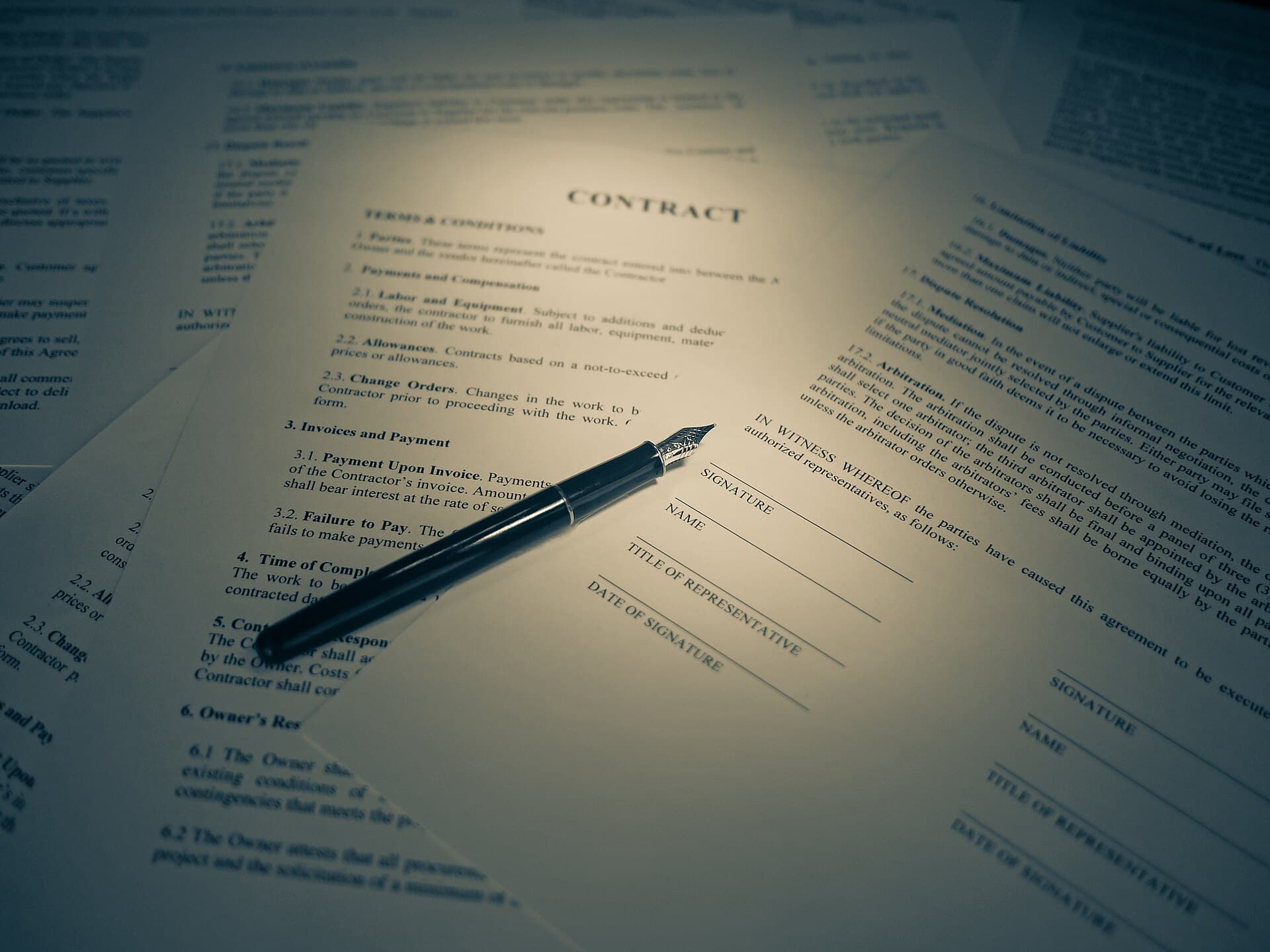
Photo: Blogtrepreneur. CC BY 2.0. Source. See all image credits.

A credit report is allowed to be unflattering. It is not allowed to be wrong. Paid-up accounts that still show as open, someone else’s default under your old street in Lalor, an enquiry for a loan you never applied for — those are filing errors, mixed files, or worse. They are also fixable without buying a “deletion” package.
The Privacy Act and the Privacy (Credit Reporting) Code sit underneath this process. The OAIC’s correction page is the official map: there is a no wrong door rule, a 30-day clock, and no charge. ASIC’s MoneySmart credit repair guidance says the same thing in plainer type — you can contact the credit reporting agency or the lender, both must help complete the request, and you can take an unresolved fight to AFCA.
Plenty Credit publishes this as general information, in the same spirit the old co-operative used for disclosure statements: read the process, keep copies, do not outsource a letter you can write yourself.
How do I dispute an error on my Australian credit report?
Start with the document, not with a Facebook ad.
- Order the current free reports from Equifax and Experian. After the consumer-data combination, Experian is the home of information that previously sat with illion — see Equifax, Experian and illion compared. How to get a free credit report covers the access path.
- Print or save the PDFs. Mark every line that is inaccurate, out of date, incomplete, irrelevant or misleading. “I wish this default were gone” is not an error. “This default is for an account that was never mine” is.
- Identify who furnished the line — the bank, telco, utility, BNPL provider, or other credit provider named on the listing — and which reporting body is showing it.
- Send a correction request with evidence. You may go to the credit provider, the reporting body, or both. The OAIC’s “no wrong door” description means they are expected to consult each other rather than bounce you forever.
- Diary the 30-day mark. If they need longer, they need your written agreement.
- Keep a folder: letters, emails, screenshots of portals, proof of postage, the original report and the later report.
You are asking them to correct information, not to invent a better score. A true late payment that you did miss will not vanish because the wording of your email was polite. If the file is ugly but accurate, the work is improving the score through behaviour and, where you cannot pay, hardship — not a dispute.
Who should I contact first, the lender or the bureau?
The OAIC’s practical advice is to contact the credit provider first for many disputes, because that is usually the fastest way to get a furnisher to amend what it sent. If a card issuer agrees a closure date is wrong, it can update the reporting body. If you only email Equifax, Equifax still has to consult the issuer.
When should I contact the credit reporting body as well?
Contact the reporting body as well when:
- you cannot identify a provider
- the provider has ignored you
- the error looks like a mixed file (someone else’s address or accounts grafted onto yours)
- the same wrong item appears on more than one body and you want a written trail at the bureau
- you have already been refused credit and need the correction on the record
There is no prize for picking only one door. A short, factual letter to both, with the same attachments, is ordinary prudence. Use the provider’s hardship or complaints email if that is the published channel; use the bureau’s correction form if that is what they offer. Phone calls help you get a reference number. They are a poor substitute for a dated written request.
If the problem is an account you never opened, treat it as possible identity theft from the first afternoon: freeze or ban as the OAIC describes, report to the provider, and do not argue about “your” repayment history on a fraud account.
What is the 30-day timeframe?
Under the Privacy Act, if a credit reporting body is satisfied that the personal information is inaccurate, out of date, incomplete, irrelevant or misleading, it must take reasonable steps to correct it within 30 days of the request, or a longer period you have agreed to in writing. Parallel duties sit on credit providers for information they hold.
What that clock is not:
- It is not a promise that they will agree with you in 30 days. If they are not satisfied the information is wrong, they must write to you with reasons and tell you about external dispute resolution or a complaint.
- It is not a licence for them to sit silent. Silence at day 31 is a reason to escalate, not a reason to pay a repair firm a percentage of a “win”.
- It is not extra time they can take because their portal is busy, unless you have agreed in writing.
Ask, in the first letter, that they confirm the date they received the request. Ask for a written outcome. If they want more time to consult another body, decide whether you agree; if you do, put the new date in writing so the file has a shape.
Corrections must also be passed along. When information is corrected, the organisation is expected to notify you and, within a reasonable period, parties they disclosed the information to. That is how a fixed Equifax line eventually stops poisoning a lender’s cached view — not instantly, but as a process with a paper trail.
What evidence should I attach?
Bureaus and lenders are not required to take your word against a system of record. Attach copies, never originals, and black out Tax File Numbers if they appear on anything (they should not be on a credit report). Useful bundles, depending on the error:
- Wrong identity or address. Licence or passport page, a rates notice or lease for the addresses that are actually yours, and a sentence listing addresses that are not.
- Account not yours / mixed file. A statutory declaration can help; so can a police report number if you are alleging fraud. Do not sign a declaration you cannot stand behind.
- Paid default still showing as unpaid. Receipts, bank-transfer records, a letter from the original provider or the debt collector stating the date paid. Paying a true default does not rewind the listing date, but the paid flag should be true.
- Closed account still open. A closure confirmation, a $0 statement, or the letter you were given when you closed a credit card.
- Enquiry you did not make. The application you did lodge (if any), and a clear statement that you did not apply to the named provider on the named date. Unauthorised enquiries sit next to identity-theft procedures.
- Repayment history ticks that contradict statements. Monthly statements showing the payment left your account on time. Direct-debit screenshots are better than memory.
- Hardship arrangement recorded incorrectly. The variation letter. Hardship information has its own rules and retention period; getting the months right matters.
Write a covering list: item, why it is wrong, what you want changed (delete / amend amount / amend date / mark paid / mark closed), and the attachment number. Keep the tone dull. Abuse does not shorten the 30 days.
Can they charge me, and should I pay a credit-repair company?
No charge for the request or the correction at the reporting body. That is in the Act. MoneySmart repeats it. Anyone who says the bureau will only listen to a paid agent is selling a queue they do not own.
Credit-repair businesses can write the same letter you can write. Some will also take a fee to “negotiate” listings that are true. True defaults are not an error. ASIC has spent years warning about outfits that over-promise. We keep a separate guide, credit repair companies in Australia, for that pattern. If you use a paid helper, you are paying for labour and persistence, not for a legal back door.
Free help exists if the paperwork is overwhelming: a financial counsellor (National Debt Helpline 1800 007 007), community legal centres, and, for many provider disputes, AFCA. Those channels do not take a slice of a “deleted” default.
What if they refuse to correct the listing?
A refusal should arrive as a written explanation. Read it. Sometimes the provider is right: the payment was late, the account was yours, the enquiry followed an application you authorised on a website at 11 p.m. In that case the dispute is over and the file is a fact.
How do I take the dispute to AFCA or the OAIC?
If the explanation is thin, internally inconsistent, or ignores your evidence:
- Lodge an internal complaint with the credit provider and/or the reporting body. Ask for a complaint reference. This is the step AFCA will expect you to have tried.
- If the business is an AFCA member — most banks, many lenders, and the credit reporting bodies in the consumer market — take the complaint to AFCA. AFCA is free for consumers. Credit-reporting complaints are a recognised category. Stick to the facts and attach the same bundle.
- You can also complain to the OAIC about an interference with privacy, including credit-reporting failures. The OAIC is a regulator, not a debt counsellor. Use it when the issue is the handling of your credit information, not when you simply dislike a lawful listing.
Do not run three angry channels with three different stories. One chronology, one set of attachments, one list of outcomes you want.
While a dispute is on foot, be careful about new applications. A fresh stack of hard enquiries will not wait for AFCA. If you must apply (a car that cannot wait, a refinance already in motion), tell the incoming lender in writing that a correction is pending and provide the complaint number. They may or may not wait. At least you have not pretended the file is clean.
What counts as an error — and what does not?
Worth disputing:
- accounts, defaults or enquiries that are not yours
- amounts, dates or “unpaid” flags that the provider’s own records contradict
- a card or loan still listed as open after a documented closure
- a default listed without the notices the rules require (this is technical; keep the letters)
- identity details that describe someone else
Usually not an error:
- a default you incurred and later paid (it should show paid, not disappear)
- repayment history that matches late payments you made
- an enquiry from a lender you applied to, including declined applications
- a score you find disappointing on a file that is otherwise accurate — the score is derived information; arguing with the algorithm without attacking the inputs is theatre
- a listing that is still inside its legal retention period (enquiries and many defaults commonly five years; repayment history and some account details shorter)
If you are unsure, a financial counsellor can look at the PDF with you. That conversation is cheaper than a repair contract and closer to the old credit-union habit of sitting with the paperwork until it made sense.
After the file is corrected
Order fresh reports. Confirm the line has changed on both bodies if it appeared on both. Keep the outcome letters with the old PDFs. If you were refused credit because of the error, the later report is what you show the next credit provider; it is not a time machine for the declined application.
Then stop refreshing the score every morning. A corrected file still needs ordinary behaviour: on-time payments, fewer curiosity applications, utilisation that does not hug the limit. The co-operative newsletter would have ended there. So does this magazine.
Frequently asked questions
How long does a credit report correction take in Australia?
If the credit provider or reporting body accepts that information is incorrect, it must take reasonable steps to correct it within 30 days, unless you agree in writing to a longer period. Get the outcome in writing.
Do I have to pay to fix an error on my credit file?
No. Credit reporting bodies must not charge you for making a correction request or for correcting the information. Paying a credit-repair firm is optional and often unnecessary.
Who do I complain to if they will not fix my credit report?
Use the organisation’s internal dispute process first. Many credit-reporting complaints then go to AFCA if the business is a member. The OAIC is the privacy regulator for credit-reporting rights under the Privacy Act.
Questions about this guide? Contact the Plenty Credit desk or read our editorial standards.
More in Credit scores and reports
Hard vs soft credit enquiries in Australia
A hard enquiry is a lender looking at your file because you applied. A soft look — including your own free report — does not price you the same way. Quotes, BNPL, utilities and clustered applications are where people get caught.
9 min read · 9 June 2026

Equifax, Experian and illion: which credit score do lenders use?
Australian lenders usually pull one credit file, not three. Equifax remains widely used; Experian now holds consumer data that previously sat with illion. Checking only one bureau is how surprises happen.
10 min read · 2 April 2026

How to improve your credit score in Australia
There is no shortcut button. Australian scores move when you pay on time, stop stacking applications, and clean genuine errors off Equifax and Experian files.
10 min read · 4 March 2026