Credit card balance transfers: when they help and when they don't
A 0% transfer can cheapen existing card debt if you stop spending and actually clear it before the promotional cliff. Fees, eligibility and new purchases are how the same product becomes more expensive.
Published 1 July 2026 · Updated 15 October 2026 · 9 min read

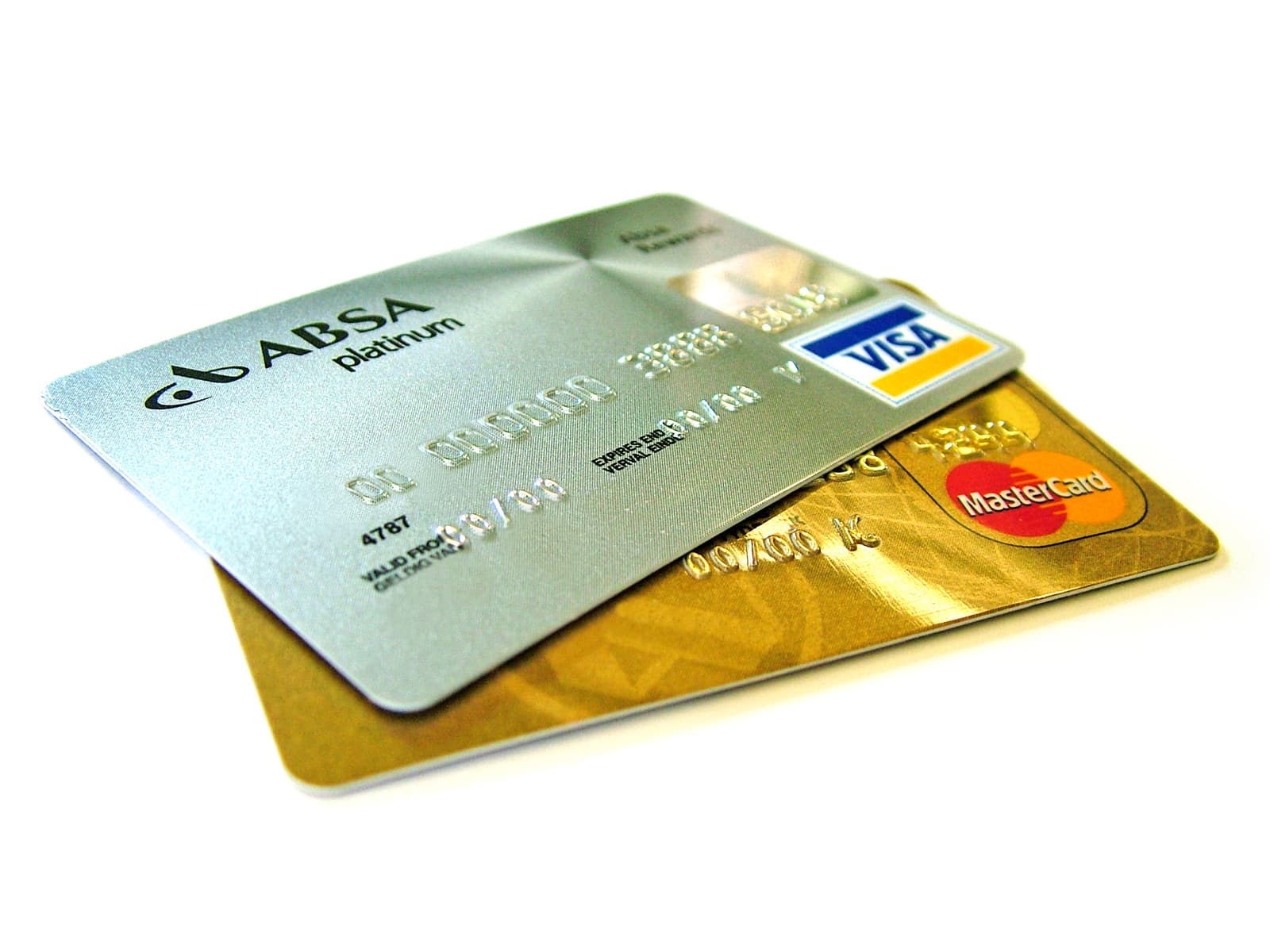
Photo: Ymblanter. CC BY-SA 4.0. Source. See all image credits.

A balance transfer moves an existing credit-card debt onto another card, usually under a promotional rate — sometimes 0% — for a limited time. Used as a repayment tool, it can cut the interest that was eating minimum payments. Used as a way to free up room on the old card and keep shopping, it is how a household in the Plenty Valley ends the year with two limits and the same unpaid dinners.
MoneySmart’s balance-transfer page is the official short version: check the rate, the period, the monthly repayment rules, the maximum you can transfer, the fee, and what happens if you do not finish on time. ASIC Report 788 looked at how this product behaved in real books. One finding is enough to keep in mind: the share of customers who had fully repaid the transferred debt by the end of the promotional period varied enormously across lenders — from a small minority at some issuers to a majority at others. A 0% headline is not a clearing plan.
Plenty Credit is not a comparison site and does not recommend issuers. This is general information about when the product’s arithmetic works and when it does not.
What is a credit card balance transfer?
You apply for a card (or a facility on a card you already hold) that offers to accept a balance from another issuer. If approved, the new issuer pays out the old card up to an allowed amount — often a percentage of the new limit, not the whole limit — and the debt now sits on the new account at the promotional rate.
It is still credit-card debt. It is not a consolidation personal loan, not a hardship variation, and not a deletion from your credit file. The old account should then show a lower or zero balance; whether you close that old card is a separate decision with utilisation and rewards consequences — see how to close a credit card without hurting your score.
People use transfers to:
- stop a 20-something-percent purchase rate eating the debt they already have
- put a calendar around a repayment (promotional end date as a deadline)
- gather several small card balances in one place
Those aims only hold if the new product is cheaper after fees, if the application is approved at the advertised terms, and if spending on both cards stops.
If you cannot make current minimums, a transfer application can be the wrong fork. Financial hardship on the existing card is designed for that situation. AFCA and the National Debt Helpline exist for it. A new hard enquiry on Equifax or Experian does not.
How does a 0% balance transfer period work?
Does 0% apply to new purchases too?
The promotional rate applies to the transferred amount for a stated number of months, commonly somewhere in a six-to-twenty-four-month window depending on the offer of the day. It does not automatically apply to:
- new purchases on the new card
- cash advances
- fees
- any portion you could not transfer because of the maximum-transfer rule
Some issuers do give interest-free treatment on new purchases during a transfer; some do not. Report 788 noted that among lenders who offered transfers in its review, several charged the ordinary purchase rate on new spending until the transferred balance was paid down. That design turns a supermarket shop on the new card into full-rate debt sitting beside a 0% bucket. Read the clause. Do not infer it from the television commercial.
Conditions that quietly kill the promotional rate:
- missing a required minimum repayment
- going over the limit
- the promotional clock simply ending
Miss a minimum and you may forfeit 0% immediately, not at month eighteen. Diary the due dates as if they were rent.
To use the period as a tool, divide the transferred amount (plus the transfer fee, if it was added to the balance) by the number of months, and pay that as a fixed repayment, not the minimum. MoneySmart says the same thing: repayments will likely need to be more than the minimum if you want the balance gone in time. If that fixed amount does not fit the household calendar, the offer does not fit either — regardless of how pretty the 0% is.
What fees apply to a balance transfer?
How much is a typical balance transfer fee?
Transfer fee. Often one to two per cent of the amount moved, sometimes with a minimum dollar figure. On a $10,000 transfer, two per cent is $200. That $200 is the price of the promotional window. Compare it with the interest you would have paid on the old card over the same months. If the old rate was already low, or the period is short, the fee can eat the benefit.
Annual fee on the new card. A rewards card used as a transfer vehicle can charge a fee that only made sense if you were collecting points on pay-in-full spending.
Late fees, over-limit fees, cash-advance fees if you treat the new account as an everyday card.
The old card’s fees if you leave it open unused. An annual fee on a $0 card is a donation.
Add these up on paper before you apply. The key facts sheet will list the promotional rate, how long it lasts, the transfer fee, and the revert rate. If a broker or a website will not show the revert rate, you do not have a comparison; you have a headline.
What happens when the promotional period ends?
The remaining transferred balance typically moves to a standard rate. On some contracts that is the purchase rate; on others it can be a cash-advance rate, which is worse. MoneySmart warns you to check which. The difference is not academic.
If you have paid the debt down to small change, the cliff is a shrug. If you have paid minimums and spent, the cliff is how a “0% for 24 months” story becomes an ordinary high-rate revolving balance — plus the transfer fee you already paid, plus a new annual fee, plus a hard enquiry on the file.
Some people then apply for another transfer. That can be mathematically coherent if the new fee still beats the revert rate and if your credit assessment still supports it. It can also be a chain of enquiries and a file that looks, to the next lender, like someone who cannot finish a repayment plan. Chaining transfers is not a personality type. It is a product sequence. Go into it with arithmetic, or do not go into it.
When the period ends, interest behaviour also returns to ordinary card rules: interest-free days may or may not apply, residual interest can appear, and minimums remain a slow way to die.
Can a balance transfer put you further into debt?
Yes. The mechanisms are ordinary:
Two limits instead of one. If you do not close or freeze the old card, you have twice the room to spend. The transferred $8,000 is on card B; card A is empty and tempting. Households that wanted “a fresh start” sometimes finish with $8,000 + $4,000 of new spending.
New purchases on the transfer card at the purchase rate, with repayments allocated to the dearer bucket first. The 0% balance barely moves. You feel virtuous because a repayment left the account. The statement disagrees.
Transferring only part of the debt because of a maximum-transfer cap, then ignoring the remainder on the old card, which continues to charge the old rate.
Using the “saving” as spending money. The interest you no longer pay is not a pay rise. If you need that cash to live, the problem is the budget — our hardship and budgeting companions are the relevant reading — not a missing 0% sticker.
Failing eligibility and applying anyway, twice. Each attempt is an enquiry. A declined transfer still marks the file.
If the honest aim is to reduce what you owe, treat both cards as closed for spending: cut up the old plastic or lock it in the issuer’s app, and do not add the new card to Apple Pay until the transferred amount is gone. That is a behavioural suggestion in the general sense, not a magic rule that suits every household.
Do I need a good credit score for a balance transfer?
Issuers are still doing a credit assessment. They will pull a bureau file — Equifax or Experian, not both as a courtesy — and they will look at serviceability, including the debt you are trying to move. A transfer is not a hardship program. It is a new credit contract.
What counts as a good score still depends on the bureau’s scale. A middling band plus a high existing utilisation can be enough to be declined, or approved at a smaller transfer amount than you needed. Shopping four transfer offers in a week is how you add a cluster of enquiries to the file you were trying to calm.
Check both current reports first (free copies). If a listing is wrong, dispute it before you apply. If the listings are true and ugly, a transfer may still be approved by a more aggressive issuer at a worse revert rate; that is not automatically a win.
Eligibility is also about the amount. Offers often cap the transfer at a share of the new limit. You cannot always pick up 100% of a maxed card. The leftover on the old account keeps charging interest. Model that leftover, or the comparison is fiction.
When a transfer tends to help — and when it does not
Helpful shape, as a description rather than advice:
- You have a specific balance, a specific end date, and a fixed repayment that clears it including the fee.
- You stop using both cards for new spending.
- You would otherwise have paid a clearly higher rate for those months.
- You close or lock the old card so the empty limit is not a second wallet.
- You are not already missing minimums.
Unhelpful shape:
- You need the old card’s limit as spending room.
- The calendar cannot fit more than the minimum.
- You chose the card for points, and the annual fee plus transfer fee outweigh the interest saved.
- You are applying to relieve stress that is actually an income problem — in which case hardship and, if needed, AFCA are the institutions that exist for that stress.
- You have not read the revert rate.
The former Plenty Credit Co-operative would have put this next to the budgeting calculator, not next to a points catalogue. A transfer is a calendar with a fee attached. If you would not sign a personal loan on those exact months and that exact dollar repayment, do not sign the card version because the advertising said zero.
Frequently asked questions
Do I pay a fee to transfer a credit card balance?
Usually yes. Transfer fees are often a percentage of the amount moved. Add that cost to any annual fee and compare it with the interest you would otherwise pay.
What happens when a 0% balance transfer period ends?
The remaining transferred amount typically reverts to a standard purchase rate or, on some products, a cash-advance rate. The saving only exists if the balance is gone — or much smaller — by then.
Can I keep using the new card during a balance transfer?
You can, but new purchases often attract the full purchase rate and can intercept repayments. Many people who keep spending end the promotional period with more debt, not less.
Questions about this guide? Contact the Plenty Credit desk or read our editorial standards.
More in Credit cards
How to close a credit card without hurting your credit score
Pay the card to a confirmed $0, redeem rewards, then close in writing. Utilisation and the age of your file can move when a limit disappears, but a closed account still sits on the report for a time.
9 min read · 14 August 2026

How credit card interest and interest-free periods work
Purchase rates, cash advances and residual interest are different machines. Miss a full repayment and the interest-free window can vanish, while minimums keep the balance alive for years.
10 min read · 22 March 2026

How to choose a credit card in Australia
Start with how you will repay, not with points. Interest-free days, annual fees, rewards and eligibility all change the cost. A card is a poor “credit building” project without a repayment plan.
10 min read · 28 February 2026