Credit repair companies in Australia: what ASIC warns about
You can dispute genuine errors on Equifax and Experian for free. No one can lawfully delete a true default overnight. ASIC and CreditSmart have warned about repair firms that over-promise or charge upfront. General information, not advice.
Published 6 May 2026 · Updated 20 October 2026 · 9 min read
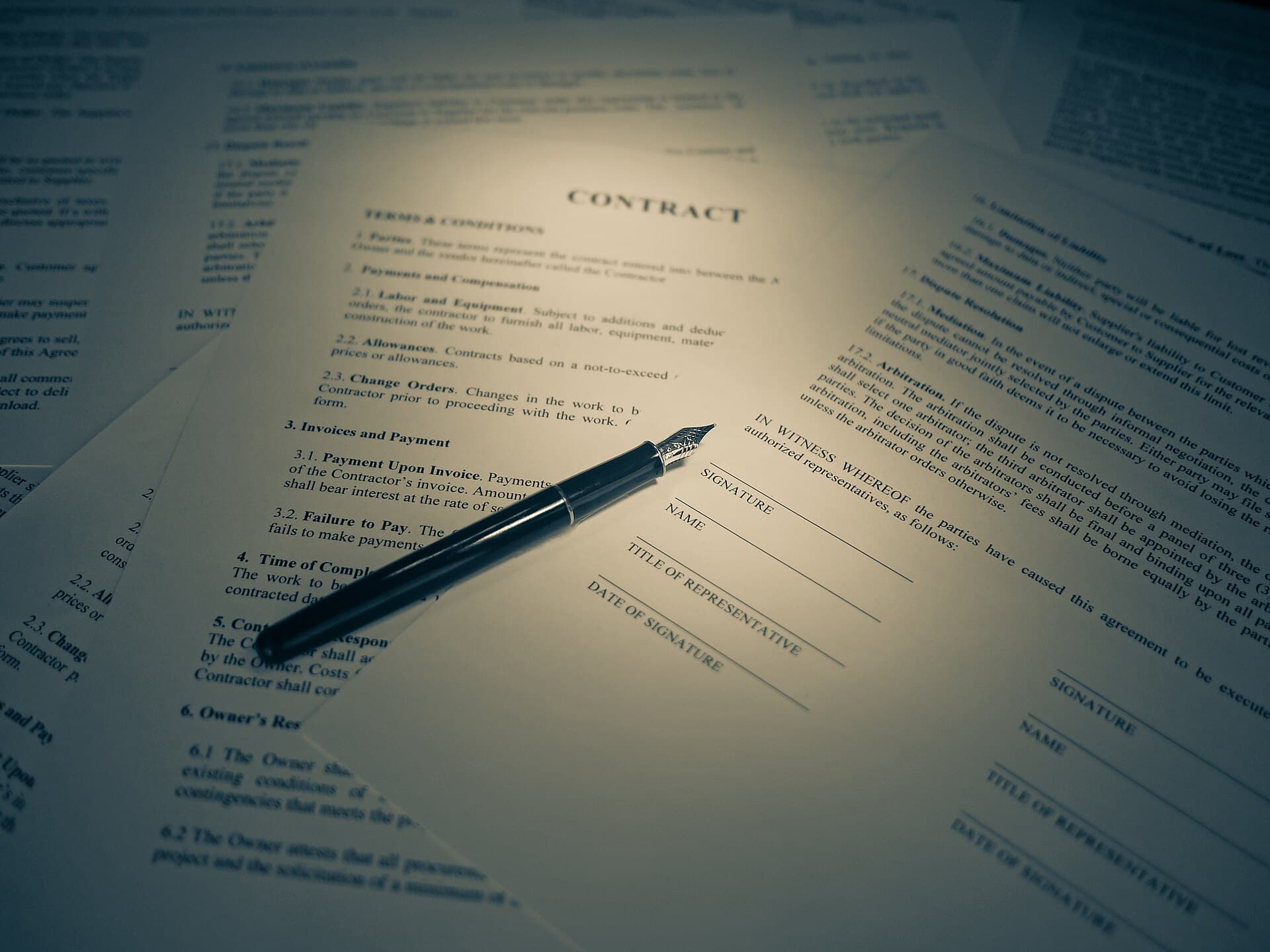
Photo: Blogtrepreneur. CC BY 2.0. Source. See all image credits.

A default that is true is not a stain a vendor can wash off for a fee. It is a piece of credit-reporting information with a legal retention period. A default that is false — someone else’s account, a listing that never met the notice rules, an amount you had already paid — is a correction. Corrections are free. The OAIC says so. ASIC’s MoneySmart credit-repair page says so. The Privacy Act says so.
Credit-repair companies sell labour, persistence, and hope. Some of that labour is a letter you can write on a Tuesday afternoon in Lalor. Some of the hope is a promise Australian law does not allow anyone to keep. This guide is general information about that market and about the official warnings. It is not a recommendation to hire or avoid any named firm, and it is not legal advice.
Plenty Credit’s old co-operative did not sell deletions. It sold the habit of reading the statement. That habit is still cheaper.
What does ASIC actually warn about credit-repair companies?
ASIC and MoneySmart have, for years, described a pattern rather than a single rogue trader. The pattern looks like this:
- advertising that a score can be “fixed” or a default “removed” as if the bureau were a stain-removal counter
- upfront fees, large “success” fees, or both, for writing to Equifax, Experian or a credit provider
- pressure to sign quickly because a loan application is “waiting”
- little interest in whether the listing is wrong or merely unflattering
- poor explanation of the free correction process
- in worse cases, lodging disputes that are not grounded in an error, which wastes the 30-day clocks and can leave you worse documented than when you started
MoneySmart’s language is blunt: you can contact the credit reporting body or the lender yourself; they must not charge you for the correction request; and you should be careful of businesses that promise to remove information that is correct. CreditSmart — the credit-industry education site at creditsmart.org.au — has published the same caution in consumer-facing form: no one can legally delete accurate, overdue information on demand.
ASIC has also used its enforcement and public-warning tools against particular operators when the conduct crossed from optimistic marketing into misleading conduct. Those actions are fact-specific. They are a reason to read the contract and the promise, not a reason to assume every paid letter-writer is a criminal. The official starting pages are MoneySmart and the OAIC, not a sponsored search ad.
Can anyone lawfully delete a true default overnight?
No.
Credit-reporting information in Australia is governed by the Privacy Act and the Privacy (Credit Reporting) Code. Default information that was correctly listed is generally visible for five years from the listing date. Paying the debt should change the flag to paid. It does not rewind the date and it does not oblige Equifax or Experian to pretend the default never happened.
Overnight deletion of a true default would be a false file. A business that promises that outcome is promising to make a reporting body break the rules, or it is promising a result it will later redefine (“we removed an enquiry you did not know about”) as a win.
What can come off, or be amended, through the ordinary process:
- listings that are not yours
- amounts, dates or “unpaid” statuses that the provider’s own records contradict
- listings that did not meet the notice and overdue rules
- identity details that describe someone else
- mixed-file information
What generally cannot:
- a default you incurred and later paid
- repayment-history marks that match late payments you made
- an enquiry from a lender you applied to
- a score you dislike on a file that is otherwise accurate
How to dispute errors on your credit report is the free process. What happens if you default is the sequence that creates a true listing. How to improve your credit score is the slow work after the fire: on-time payments, fewer applications, utilisation that does not hug the ceiling. None of those pages sells a reset button.
How do you correct a genuine error without paying anyone?
Order the current reports. Mark the lines. Write.
- Get free copies from Equifax and Experian. After the consumer-data combination, Experian holds much of what used to sit with illion — see the bureau comparison. How to get a free credit report is the access path, including the trial-subscription traps.
- Decide whether the line is wrong or merely ugly. If you are unsure, a financial counsellor at the National Debt Helpline on 1800 007 007 can look at the PDF with you.
- Send a correction request to the credit provider, the reporting body, or both. The OAIC’s “no wrong door” description means they are expected to consult each other.
- Attach evidence. Keep copies. Diary the 30-day mark.
- If they refuse with reasons you accept, stop. If they refuse with reasons that ignore the evidence, use internal complaints and then AFCA or the OAIC.
That is the whole product a repair firm is selling, minus the invoice. Phone calls get reference numbers. Letters get outcomes.
If the “error” is an account you never opened, do not hire a repair firm to argue about “your” repayment history. Treat it as possible identity theft from the first afternoon.
Why are upfront fees and “no win, no fee” pitches a problem?
Because the incentive is to take money for activity, or to redefine a “win”, not to tell you the listing is accurate and should stay.
Upfront fees are the simpler risk. You pay before anyone has established that there is an error. If the firm then writes a generic letter and the bureau replies that the default is correct, you have purchased postage and a disappointment. MoneySmart specifically flags paying large amounts before any work is done.
“No win, no fee” sounds kinder. Read the definition of win. If “win” means any change to any line — an old address updated, a paid flag added that you could have added by sending a receipt — you may owe a percentage of a large advertised “benefit” for a clerical correction. If “win” includes a score movement that would have happened anyway when a repayment-history month aged off, you are paying for a calendar.
Other contract terms worth reading in daylight:
- authority to lodge complaints in your name, including at AFCA, which can confuse a later genuine complaint
- authority to access your credit files and identity documents
- cancellation fees
- a promise that sounds like credit assistance (suggesting you will then get a loan) from a business that may also need an Australian credit licence for that part of the pitch
If the same website is selling a loan, a “clean-up”, and a score-monitoring app, slow down. Responsible lending and credit reporting are different jobs. Combining them in one sales call is how people sign two contracts they have not read.
What is CreditSmart, and how is it different from a repair firm?
CreditSmart is an industry-backed education site about credit reporting in Australia. It is not a repair company. It does not take a percentage of a deleted default. It explains, in consumer language, what sits on a file, how long it stays, and that accurate information is not optional decoration.
Use it the way you use MoneySmart: as a map. Then do the work at Equifax, Experian, the lender, AFCA or the OAIC. Do not confuse a .org.au explainer with a business that has bought the words “credit smart” for a landing page. Check the URL.
ASIC is the regulator. The OAIC is the privacy regulator for credit-reporting rights. AFCA is the ombudsman scheme for many credit providers and for the credit reporting bodies in the consumer market. CreditSmart is education. A repair firm is a vendor. Those four roles are easy to flatten in a panic. They are not the same.
When might you still pay someone to write letters?
When the paperwork has defeated you, and the person you pay is clear that they are selling administration, not a lawful miracle.
Examples that are at least coherent:
- you have a genuine mixed file, a stack of attachments, and a language or disability barrier
- a community legal centre or financial counsellor has already said the listing looks wrong, and you want a paid clerk to keep the diary
- you have already tried the free process and you want help assembling an AFCA complaint — knowing AFCA itself is free
Examples that are not:
- a true default you want gone before a home-loan appointment on Friday
- a score-boost package
- a firm that will not show you the letters it sends in your name
- a firm that tells you not to contact Equifax yourself
If you do pay, keep the same folder you would have kept anyway: the reports, the evidence, the letters, the outcomes. You are still the person whose file it is. Hard versus soft enquiries will not pause while a vendor “negotiates”. Avoid new applications you do not need.
What should you do instead of buying a deletion package?
Read the file. Correct what is wrong. Live with what is true. Ask for hardship if the calendar will not close.
A practical afternoon:
- Free reports from both current bureaus.
- A one-page list of lines that are errors, with evidence.
- Correction letters. No fee.
- A one-page list of lines that are true. Those you wait out, pay down, and stop adding to.
- If repayments will not fit, a hardship letter to the credit provider — not a repair invoice.
- If you were refused credit because of a genuine error, the later corrected report is what you show the next lender. It is not a time machine for the declined application.
The co-operative that once put “Plenty of Care” on a banner would have ended there: the file is a record, not a personality, and a record is corrected with documents. Related pieces live under consumer rights and credit scores. If someone rings offering to wipe the slate by Friday, the useful answer is still the OAIC page, not your credit card number.
Frequently asked questions
Can a credit-repair company delete a default in Australia?
It can help you ask for a correction if the listing is genuinely wrong. It cannot lawfully erase a true default just because you paid someone. Paid defaults usually stay on the file, marked paid, for the rest of their retention period.
Do I have to pay to fix my credit report?
No. Credit reporting bodies must not charge you for a correction request or for correcting the information. The OAIC and MoneySmart both say you can do this yourself.
What has ASIC said about credit-repair businesses?
ASIC has repeatedly warned that some firms over-promise, charge high upfront or success fees, and sell work you can do for nothing. Check CreditSmart and MoneySmart before you sign a repair contract.
Questions about this guide? Contact the Plenty Credit desk or read our editorial standards.
More in Consumer rights

Identity theft and your credit file
Fraudulent accounts and mixed files look similar on a credit report and are different problems. Freeze or ban the file, use IDCARE, report to police where needed, and correct Equifax and Experian in writing. General information, not legal advice.
9 min read · 29 July 2026

How to read a credit contract before you sign
Before you accept a personal loan, car loan or card, read the amount, rate, comparison rate, fees, default clauses, any security, and add-on insurance. Cooling-off is limited. General information, not legal advice.
9 min read · 18 June 2026

Responsible lending: what it means for Australian borrowers
Australian credit law still turns on whether a contract is unsuitable. Lenders must inquire, and often verify, before they offer many products — with different settings for ADIs and for buy now, pay later. General information, not legal advice.
9 min read · 9 January 2026