What happens if you default on a loan in Australia
A missed payment is not automatically a default listing. Here is the usual path from a late repayment through collections, credit-file listings, court, and why hardship and AFCA can still matter. General information, not advice.
Published 30 May 2026 · Updated 18 October 2026 · 9 min read

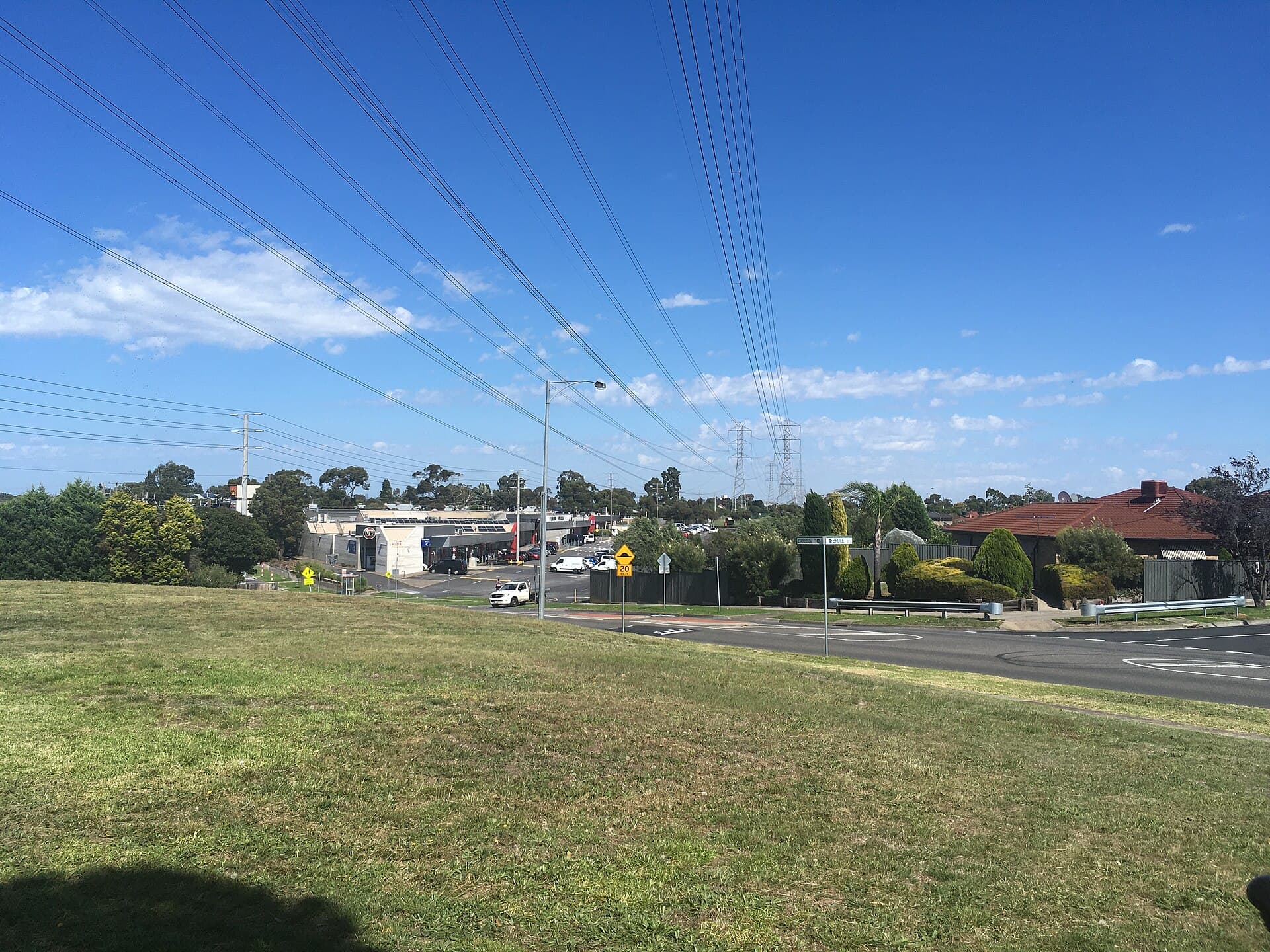
Photo: Vincent Quach. CC BY-SA 3.0. Source. See all image credits.

“Default” is a word people use for anything from a card payment that landed a day late to a court judgment. Australian credit law and Australian credit reporting do not treat those as the same event. The difference matters, because the remedies are different, the file entries last for different periods, and the moment you still have the most room to manoeuvre is earlier than most people think.
This guide walks through the usual sequence on a consumer credit contract: missed payment, lender contact, default notice, listing on a credit file, collections, and court. It is general information, not a prediction of what your lender will do, and not legal advice. Contracts differ. Secured car loans do not behave like unsecured cards. Mortgages have extra layers this article will only flag.
The old Plenty Credit Co-operative site in Lalor put “Managing Financial Difficulty” a click away from ordinary member banking. That is still the right instinct. Default is a process. It is not a personality.
What is the difference between a missed payment and a default?
A missed payment (or a late payment) is a repayment that did not arrive as the contract required. Consequences can include a fee, penalty interest, a polite or not-so-polite message, and a mark in repayment history information on a credit report — the monthly field that records whether you were on time, 1–29 days late, and so on. Those marks typically remain visible for a shorter period than a listed default (commonly two years for repayment history). Details sit with the credit-reporting rules and the bureaus; MoneySmart’s credit report page is the public starting point.
A default listing is a separate piece of information a credit provider may add to a credit file when an amount is overdue and the listing rules have been met. Those rules generally include that the debt has been overdue for a minimum period (often discussed as 60 days) and that the provider has given you notice of the overdue amount and the intention to list. The listing can stay on the file for five years from the date it is listed, which is why people confuse it with the late payment that happened last Tuesday.
In the contract itself, “default” can also mean a legal event of default — missing a payment, letting insurance lapse on a secured car, giving false information. That contractual default is what lets the lender issue a default notice and, after the notice period, start enforcement. Section 88 of the National Credit Code is the provision most consumer-credit enforcement conversations come back to: a notice, a period to remedy (generally at least 30 days), then the possibility of acceleration, repossession, or court.
Three different ideas, then:
- a late repayment (calendar and fees)
- a default notice under the Code (enforcement)
- a default listing on Equifax or Experian (credit reporting)
They often arrive in that order. They are not synonyms.
What happens after you miss a repayment?
First, the debit fails or the payment does not appear. Then, usually:
- a fee, if the contract allows it
- a retry of the debit, which can produce a second fee if it fails again
- SMS, app message, email or a letter
- a request to call “collections” or “customer assistance” — the department name is cosmetics
This is the cheapest moment to act. Pay if you can. If you cannot, say so in writing and ask for hardship. The National Credit Code hardship process in section 72 is designed to be used when you reasonably expect that you cannot meet the contract — including before a listing, and including after a missed payment.
Do not ignore the contact because you are embarrassed. Unopened letters are how missed payments become default notices. If you have moved, update the address. Plenty of Melbourne files go bad because notices went to a flat in Reservoir after the household had gone to South Morang.
If several accounts are involved, map them. A card, a car loan and a payday loan will each run their own clock. Paying the wrong one in a panic can be expensive. A free counsellor on the National Debt Helpline (1800 007 007) is better at that triage than a website.
What is a default listing on your credit file?
It is a record, held by a credit reporting body, that a credit provider has listed an overdue consumer-credit debt in line with the Privacy Act’s credit-reporting rules and the Credit Reporting Code. Other lenders who pull the file can see it. Scores usually fall. A listing is not a court finding. It is still one of the heavier items on a consumer file.
Typical features, described in general terms:
- the name of the credit provider (sometimes a collector’s name appears later)
- the amount overdue at listing
- the date of listing
- later, a “paid” or similar status if the debt is cleared
Paying the debt is the right thing for the balance. It does not usually remove the listing. It should update the status. The five-year visibility generally runs from listing, not from the day you finish paying. Anyone who says otherwise in a Facebook ad is selling credit repair. ASIC has warned about that market more than once.
Not every overdue account is listed. Some credit providers are slow. Some debts sit with collectors for a long time without a listing. Do not take comfort from the absence of a listing if you still owe the money. Also do not assume a listing is correct. Wrong amount, wrong person, debt already paid, notice never sent — those are dispute territory. Get the free reports from Equifax and Experian and read the dates.
Repayment-history marks and default listings can coexist. Cleaning one does not automatically clean the other.
Can a lender take you to court?
Yes, for many consumer-credit debts, after the contract and the National Credit Code enforcement steps have been followed. Court is not the first move on a $40 late fee. It is a later, more expensive move, and lenders do not all bother for small balances. When they do, the path is usually:
- default notice and time to remedy
- the account is accelerated or referred to a law firm or collector
- a statement of claim or equivalent court process
- if you do not respond, a default judgment
- enforcement of the judgment — garnishee of wages or a bank account, a warrant, a writ against property, depending on the court and the state
Victoria’s court forms are not the same as New South Wales. If a claim arrives, the deadline on the document is the fact that matters that afternoon. Community legal centres and, for some matters, Legal Aid, are the practical next call. AFCA can sometimes still help if the dispute is about the credit provider’s conduct and court has not already determined the same issue — but a court timetable does not pause itself because you meant to lodge a complaint.
Secured loans have an extra fork. A car loan may lead to repossession of the vehicle if the Code’s processes are followed. A mortgage can lead to possession proceedings. Those are not “credit file” problems. They are asset problems. Get advice fast.
A judgment on a credit file is another long-lived item. Satisfying the judgment is the first job. Updating the file is the second. They are not automatic twins.
How long does a default stay on your credit file?
For most consumer default information, the working figure Australians are told — including by MoneySmart — is five years from the listing date. Court judgments and some other records have their own retention periods. Bankruptcy and related insolvency records are longer and different; this article is not a bankruptcy guide.
Repayment history information is generally shorter, commonly two years. Enquiries also age off on their own timetable. This is why a file can look ugly in year one and merely ordinary in year four, even if nobody “wiped” anything.
There is no lawful fast-forward. Paying does not reset the listing date. Waiting is not passivity if you are also paying on time on everything else; it is the mechanism the rules actually use. How to improve your credit score is mostly that dull work.
If a listing is wrong, dispute it with the credit provider and the bureau. If a listing is right, treat anyone offering a ten-day deletion as a sales claim.
Can you still ask for hardship after you default?
Yes. Hardship is not a prize for people who wrote early, even though writing early is wiser.
Once a default notice has been issued, or a listing has gone on, or a collector has the file, you can still say: my circumstances have changed, I can pay $X, I want the contract varied. Put it in writing. Send it to the credit provider and to the collector. Ask them to pause enforcement while they consider it. Keep the sending receipt.
Will they agree? Sometimes. A lender that has already listed a default may still accept a payment plan. A lender that has filed in court may want the claim paused or settled on terms. None of that is guaranteed. The National Credit Code hardship machinery and the credit provider’s own policy both still exist.
If they refuse, ask for reasons in writing and use internal dispute resolution, then AFCA. AFCA has looked at hardship handling, default listings, and collection conduct in many credit matters. It is free for the consumer. It is not a shield against a debt you owe. It is a check on whether the provider followed the rules and treated you fairly.
Do not take a new small amount credit contract to “clear” a defaulted loan unless you have run the numbers with a counsellor and you understand the fee caps. Replacing a listed default with a fresh high-cost contract is how files get denser, not cleaner.
What can AFCA do if a default was listed unfairly?
The Australian Financial Complaints Authority can consider complaints about credit providers that are members — which licensed consumer-credit providers generally must be. Typical issues:
- the debt was not yours, or the amount was wrong
- required notices were not given
- the listing happened while a hardship request was on foot and should have been held
- responsible lending: the loan should not have been made
- collection conduct
- the provider’s internal complaints process failed
AFCA can, among other outcomes, ask a member to correct a credit listing, reduce a debt, refund fees, or change how an account is administered. It cannot rewrite the Privacy Act. It cannot punish a lender for the sake of it. It is not a court, and it does not give you a criminal record either way.
Time limits apply. Do not sit on a wrong listing for years and assume the ombudsman will treat it as fresh. Details are in the AFCA complaint guide on this site and at afca.org.au.
If the problem is identity theft rather than your own overdue account, that is a different path — freeze, police report, bureau flags — and a default that is not yours should be challenged as such.
Little Collins Street running west is a decent picture of this whole subject: it looks like one street, and it is actually a sequence of intersections. A late payment is one corner. A default notice is another. A listing is another. Court is further down. You can still turn around at several of those corners, especially if you write, keep copies, and use hardship while there is something left to vary. The debt and hardship hub is the map of the related pieces, including budgeting when the calendar is already full.
Frequently asked questions
How long does a default stay on your credit file in Australia?
Default information is commonly visible for five years from the date it is listed. Paying the debt does not usually rewind the clock; it should be marked paid. Repayment-history marks are a different field with a shorter life.
Is one missed repayment a default?
Usually not. A late payment can appear in repayment history and attract fees. A default listing is a separate step with its own notice and overdue rules. Read the contract and any notice the lender sends.
Can I still ask for hardship after I have defaulted?
Yes. Hardship is harder to use once enforcement has started, but it is not automatically closed. Write to the credit provider (and the collector, if there is one) and keep a copy. AFCA can still look at how the account was handled.
Questions about this guide? Contact the Plenty Credit desk or read our editorial standards.
More in Debt and hardship

How to complain to AFCA about a credit provider
AFCA is the free external dispute body for most licensed lenders, card issuers and BNPL providers. You usually complain to the firm first, then lodge online with documents and dates. This is general information, not legal advice.
9 min read · 12 July 2026
Payday loans and small amount credit contracts explained
Australian payday loans are regulated as small amount credit contracts, with fee caps, a 10 per cent income test from June 2023, and comparison rates that look alarming because the term is short. General information only.
9 min read · 21 April 2026

Debt consolidation loans in Australia: when they help and the risks
Rolling several debts into one loan can lower the monthly figure and raise the total interest. Here is how consolidation actually works, including secured loans against a car or house, without treating it as advice.
9 min read · 8 March 2026